
10-Day ALL-INCLUSIVE Yoga Journey in India

A Soulful Journey Into the Heart of Yoga
A Transformative Spiritual Journey
Join Jessica and Nikunj on a 10-day all-inclusive yoga journey through India’s sacred landscapes—where ancient teachings, yoga, devotion, and cultural immersion guide you into deeper self-awareness.
From the temples of Delhi and Vrindavan to the majesty of Agra, the colors of Jaipur, and the spiritual serenity of Rishikesh, this yoga journey is designed to nourish body, mind, and soul.
Why Join Us
A Journey That Awakens the Spirit..
Travel through India’s most sacred spiritual destinations
Deepen your practice with daily yoga, meditation & pranayama
Experience powerful rituals like Ganga Aarti, fire ceremony & kirtan
Receive authentic teachings from a seasoned spiritual guide
Enjoy a peaceful, all-inclusive journey where every detail is handled for you
Meet Your Guides
-

Nikunj
Spiritual Guide / Teacher
Born in Rishikesh and trained by enlightened masters, Nikunj is a Yoga Alliance E-RYT 500 teacher with over 15 years of experience in meditation, philosophy, and traditional practices.
-

Jessica
Founder / Host / Teacher
Jessica curates transformative journeys rooted in yoga, presence, and holistic well-being, creating uplifting spaces for personal growth.
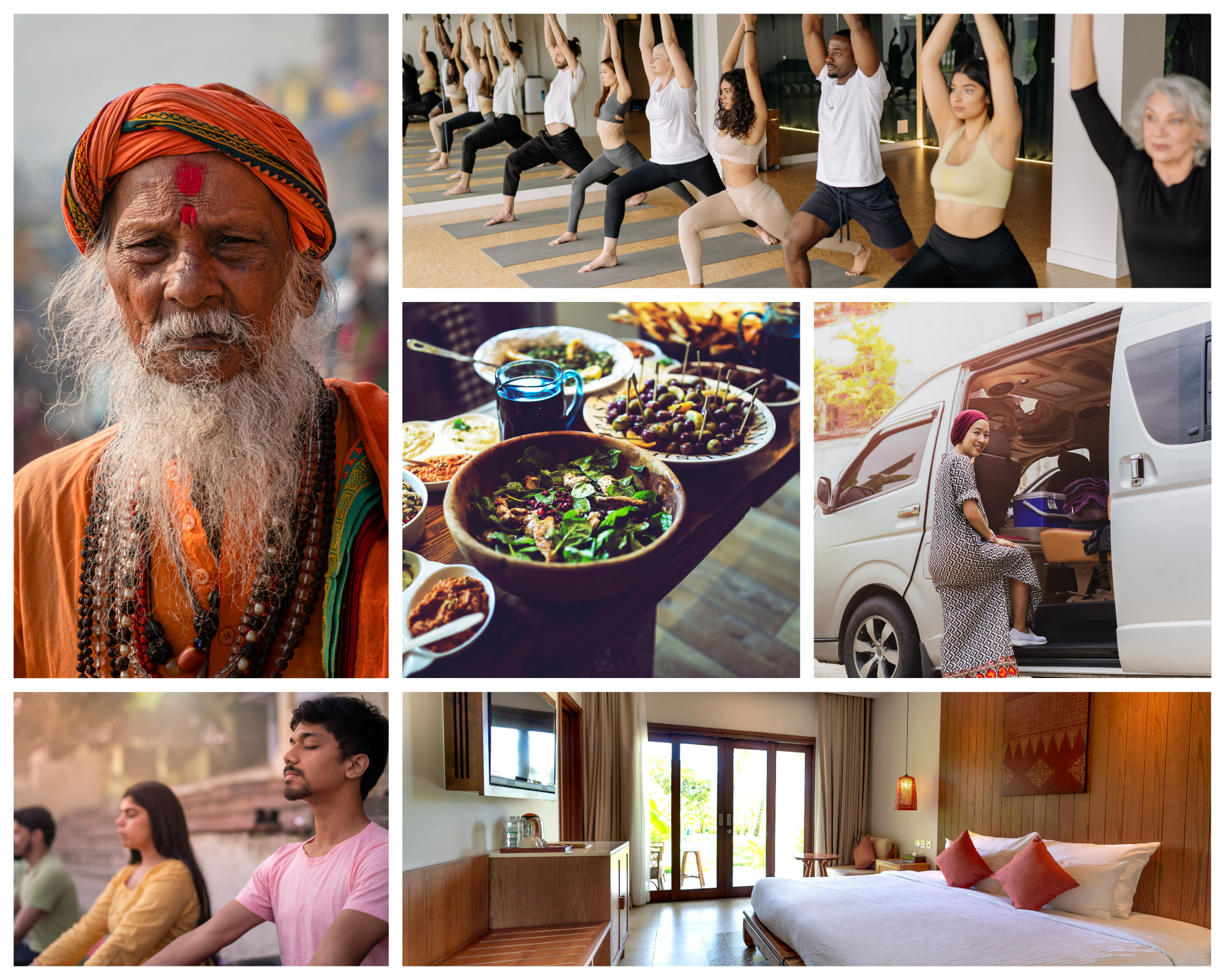
What’s Included: (All-Inclusive)
Everything You Need Is Included
Private accommodations (with en-suite bath)
All transportation and transfers
Three daily vegetarian meals
Unlimited purified water
Healthy snacks & fresh fruit
Daily yoga, meditation & pranayama
All temples, monuments & entrance tickets
All cultural experiences
2-hour Ayurvedic massage
Spiritual talks (satsang)
Local SIM card
Welcome tea + departure brunch
What’s not Included:
Personal Shopping
Room Service Purchases
Laundry Services
Accommodation Mini-Bar Purchases
Adult Beverages
Arrival/Departure Flights from Delhi (DEL)
TOP HIGHLIGHTS
Taj Mahal at sunrise
Lotus Temple meditation
Yamuna River boat ride
Pushkar cable car + camel/boat ride
Beatles Ashram
Ganga Aarti on the Ganges
Fire ceremony & kirtan
Nahargarh Fort & Hawa Mahal
Sacred sites of Krishna in Vrindavan & Mathura
Kunjapuri Devi sunrise temple
Vashishtha meditation cave

Journey Overview
Each location on this journey holds immense spiritual depth, offering a blend of historical reverence, religious devotion, and opportunities for personal growth and reflection.
Total Duration: 10 days
Group Size: 6–12
AT A GLANCE
Destinations
-
Akshardham Temple: A stunning architectural marvel, symbolizing peace, spirituality, and devotion through its intricate carvings and detailed narratives of Hindu scriptures.
India Gate: A national monument that commemorates the soldiers who died in World War I, embodying patriotism and sacrifice.
Lotus Temple: A Baháʼí House of Worship representing unity and oneness of all religions, its lotus-shaped architecture symbolizes purity.
Humayun’s Tomb: A UNESCO World Heritage Site, this Mughal-era tomb is a blend of Persian and Indian architectural styles, marking a significant era of Islamic history in India.
-
Banke Bihari Temple: A sacred Hindu temple dedicated to Lord Krishna, capturing the divine charm and playful spirit of the deity, with its old-world aura.
Nidhivan: A mystical site linked to the stories of Lord Krishna's divine pastimes, believed to be a place where he performs Ras Leela each night.
Yamuna River Boat Ride: The sacred river is venerated for its ties to Lord Krishna and provides an opportunity for reflection and prayer.
Prem Mandir: A grand temple that radiates devotion, with vivid depictions of Lord Krishna's life.
ISKCON Temple: A global spiritual center for devotees of Krishna, offering a serene space for meditation and kirtan.
Janma Bhumi: The birthplace of Lord Krishna, this site holds deep religious and spiritual significance for followers of Hinduism.
-
Taj Mahal: One of the Seven Wonders of the World, a symbol of eternal love and devotion, with its awe-inspiring architecture and emotional depth.
Agra Fort: A UNESCO World Heritage Site, this fort represents the grandeur and power of the Mughal Empire and its fascinating history.
-
Nahargarh Fort, Jal Mahal, Hawa Mahal, Jantar Mantar: These iconic landmarks of Jaipur showcase the royal heritage and architectural brilliance of the Rajputs.
Chokhi Dhani Village Tour & Dinner: A cultural experience of Rajasthan’s traditional lifestyle, art, and hospitality.
Pushkar Lake & Jagatpita Shri Brahma Mandir: Pushkar is a sacred town where the Brahma Temple and the holy lake create a powerful spiritual resonance, especially for pilgrims seeking divine blessings.
Cable Car: Take a cable car up to Mata Savitri Devi Temple for a 360 view of Pushkar.
Boat/Camel Ride: These experiences add a traditional and immersive touch to the spiritual exploration.
Albert Hall Museum: A treasure trove of cultural and historical artifacts.
Chulgiri Jain Temple & Birla Temple: These temples reflect the diverse religious fabric of the region, emphasizing peace, devotion, and the pursuit of inner knowledge.
-
Beatles Ashram: A tranquil space where the famous band meditated, it's now a symbol of the fusion of Western and Eastern spirituality.
Parmarth Niketan Aarti: A sacred evening ritual by the Ganges River, filling the air with chants, hymns, and devotion.
Kunjapuri Devi Temple: A revered Shakti Peeth, offering not only a spiritual experience but stunning views of the Himalayas.
Vashishtha Cave: An ancient cave where sages meditated, offering seekers a serene place for contemplation and deep meditation.
Ayurvedic Massage: Rooted in ancient Indian healing traditions, this treatment is designed to rejuvenate both body and spirit.
Indian Kirtan & Fire Ceremony: These traditional forms of worship elevate the spiritual atmosphere, allowing participants to immerse in sacred vibrations.
2026 Journey Dates
*Join our February Journey and experience the celebration of Holi in Rishikesh!

Questions?
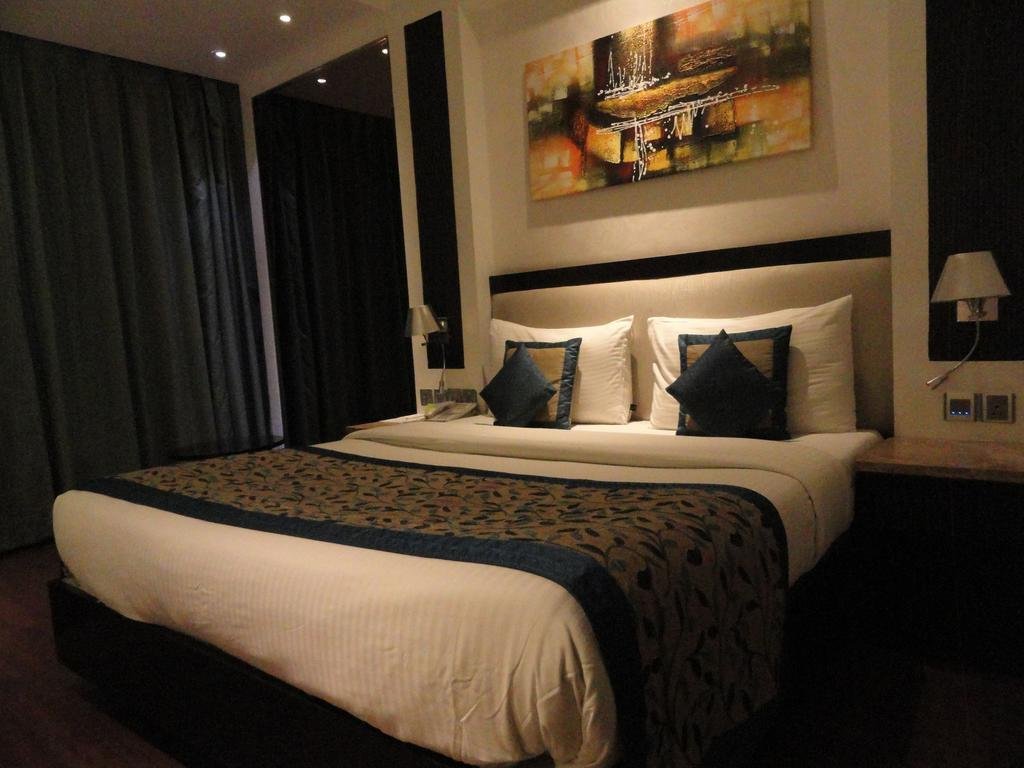
Accommodation
Each accommodation offers a private room with an en-suite washroom, ensuring your comfort and privacy throughout your stay. All hotels are of three-star quality or equivalent, thoughtfully selected to provide modern amenities, including western-style toilets, hot water, and essential comforts.
Each accommodation also features an on-site restaurant, allowing you to enjoy local and international cuisine at your convenience. Additionally, the accommodations are strategically located in the heart of each city we visit, providing easy access to nearby attractions, dining, and shopping, while offering a peaceful retreat after a day of exploration.



Food & Drinks
Our program encourages a nourishing vegetarian yogic diet to support your spiritual journey. This plant-based approach helps cleanse and balance both body and mind. Non-vegetarian options will not be available at most locations and are discouraged to maintain the purity of this experience. While alcohol may be available in some settings, it is highly discouraged as it can interfere with the cleansing process.
Included meals and refreshments:
A special welcome tea to start your journey on a peaceful note
Daily breakfast with wholesome, nourishing options
Three bottles of water provided daily to keep you hydrated
A selection of healthy snacks and fresh fruit available throughout the day
A thoughtful departure brunch to conclude your stay
Please notify us in advance if you have any dietary restrictions or food allergies so we can accommodate your needs.
Packages & Availability
1-Person Single Room: $2399
2-People Single Room: $4098 - Couples Discount
Purchase Private Accommodation for two and save $700!
Deposit
Deposit: 15% to reserve your spot
Balance: Pay on arrival
Deposit Policy: Non-refundable but transferable to a future DarkZen event.
Cancellation Policy
Cancel 15+ days before start date → full deposit credit to future event
Cancel within 14 days → portion withheld for hotel fees, remainder credited to future event
Take the first step and reserve your spot today!
Join Jessica and Nikunj on a 10-day all-inclusive journey through India’s sacred landscapes—where ancient teachings, yoga, devotion, and cultural immersion guide you into deeper self-awareness.
From the temples of Delhi and Vrindavan to the majesty of Agra, the colors of Jaipur, and the spiritual serenity of Rishikesh, this yoga journey is designed to nourish body, mind, and soul.
Join Jessica and Nikunj on a 10-day all-inclusive journey through India’s sacred landscapes—where ancient teachings, yoga, devotion, and cultural immersion guide you into deeper self-awareness.
From the temples of Delhi and Vrindavan to the majesty of Agra, the colors of Jaipur, and the spiritual serenity of Rishikesh, this yoga journey is designed to nourish body, mind, and soul.
Arrival Information
Airport: Indira Gandhi International Airport (DEL)
Transfer to Hotel: Included
Additional Instructions:
The journey commences and concludes in Delhi, India, with flights arriving and departing from Indira Gandhi International Airport (DEL).
Upon landing at Indira Gandhi International Airport, you will proceed through immigration, collect your checked luggage, and make your way to Arrivals Gate 5. Just beyond the terminal, our driver will be waiting to welcome you. The driver will assist with your luggage and transport you to the hotel where our team will be ready to greet you.
Sacred Sites and Activities
-
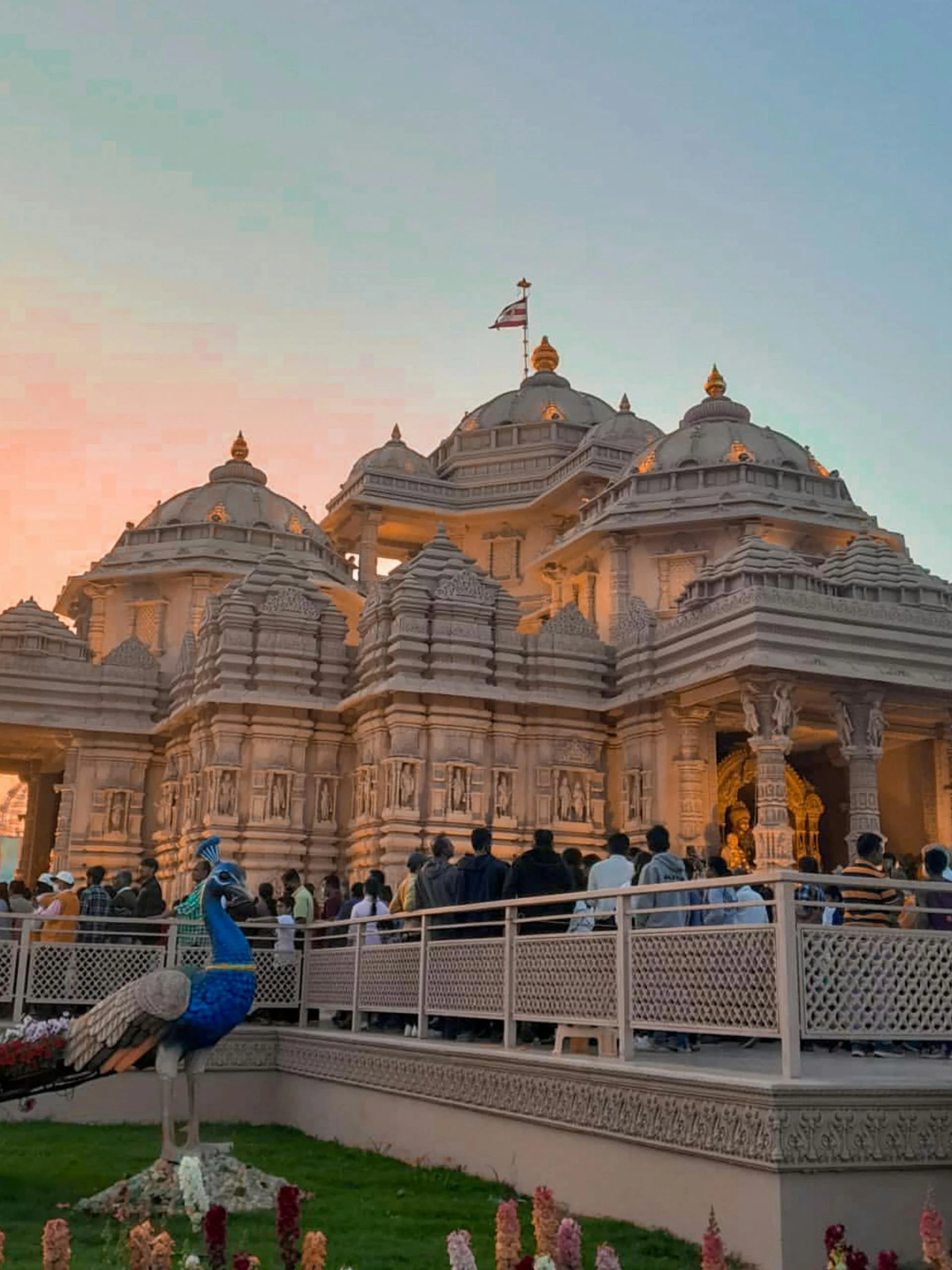
Akshardham Temple
"Akshardham" means the divine abode of God, symbolizing devotion, purity, and peace.Swaminarayan Akshardham in New Delhi is a Hindu temple and spiritual campus dedicated to worship, learning, and harmony.
-
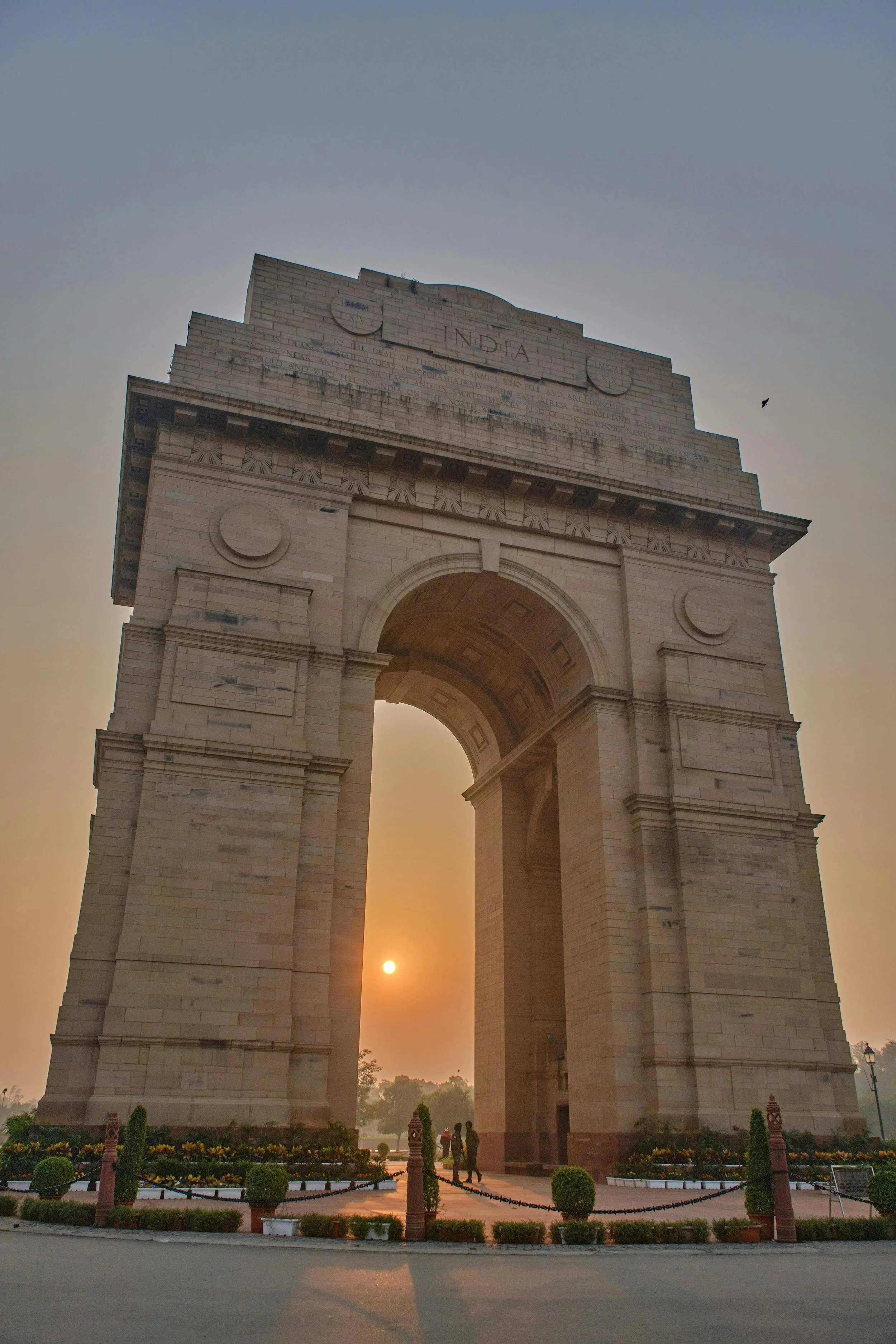
India Gate
In central New Delhi, the 42-meter-high India Gate stands as an "Arc-de-Triomphe" style monument at a major crossroads. It honors the 70,000 Indian soldiers who died serving in World War I under the British Army, with over 13,516 names of soldiers who died in the 1919 Afghan war inscribed on it.
-

Lotus Temple
The Lotus Temple in New Delhi, India, symbolizes the oneness of humanity, welcoming people of all races, religions, and nationalities to pray and meditate. As a collective center for fostering unity and equality, it is dedicated to the one God, the Creator of all humanity and the universe.
-
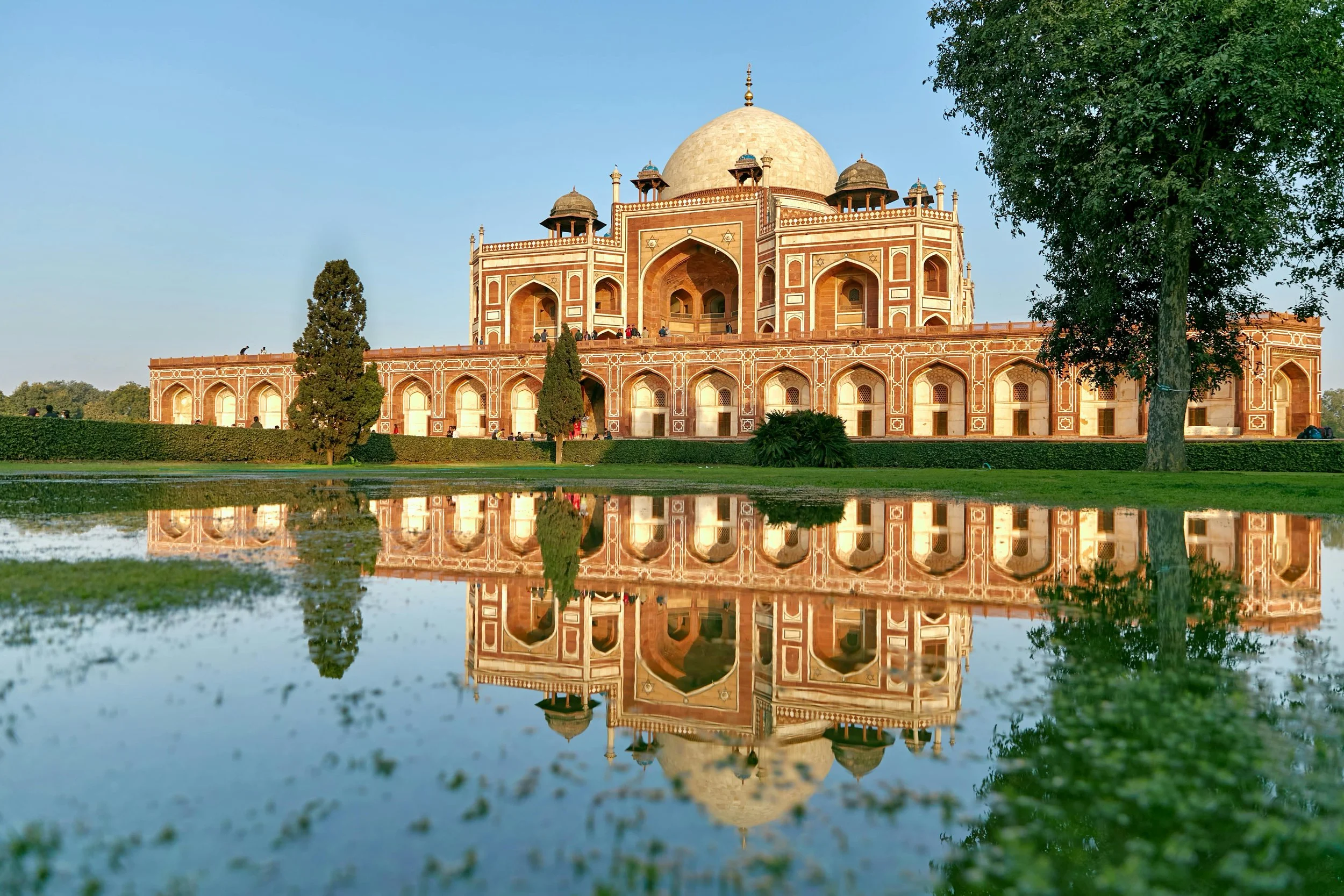
Humayun's Tomb
A UNESCO World Heritage Site in Delhi, was built in 1570 for Mughal Emperor Humayun. It is the first grand garden mausoleum in the subcontinent, located near the Yamuna River and Nizamuddin Dargah. Spanning 30 acres, the site features the majestic Char Bagh, a Persian-style garden with pools and intersecting water channels. Its unique octagonal design makes it a masterpiece of Mughal architecture.
-
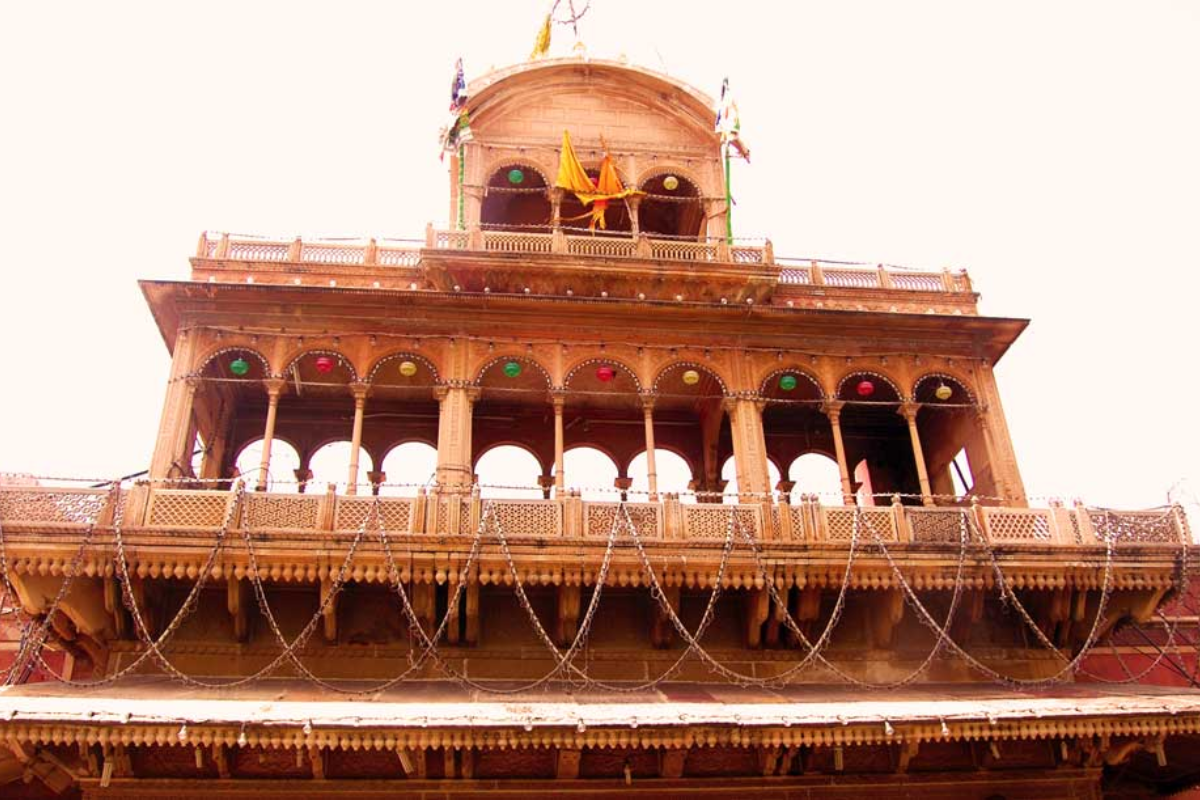
Banke Bihari Temple
Banke Bihari Temple, located in Vrindavan, Uttar Pradesh, is dedicated to Banke Bihari, the combined form of Radha and Krishna. Originally worshipped at Nidhivan, the deity was moved to the current temple when it was built in 1864. The icon of Radha-Krishna stands in the Tribhanga posture. Swami Haridas initially worshipped this deity as Kunj Bihari, meaning "one who enjoys in the groves of Vrindavan."
-
Nidhivan Temple
Nidhivan, meaning "Sacred Forest," is a revered site in Vrindavan, Uttar Pradesh. It is believed to be where the Hindu deities Radha and Krishna, along with the Gopikas, engaged in their divine pastimes. Devotees believe that Radha and Krishna still perform the rasa-lila here at night, so the forest is closed and barricaded after dusk to preserve its sanctity.
-
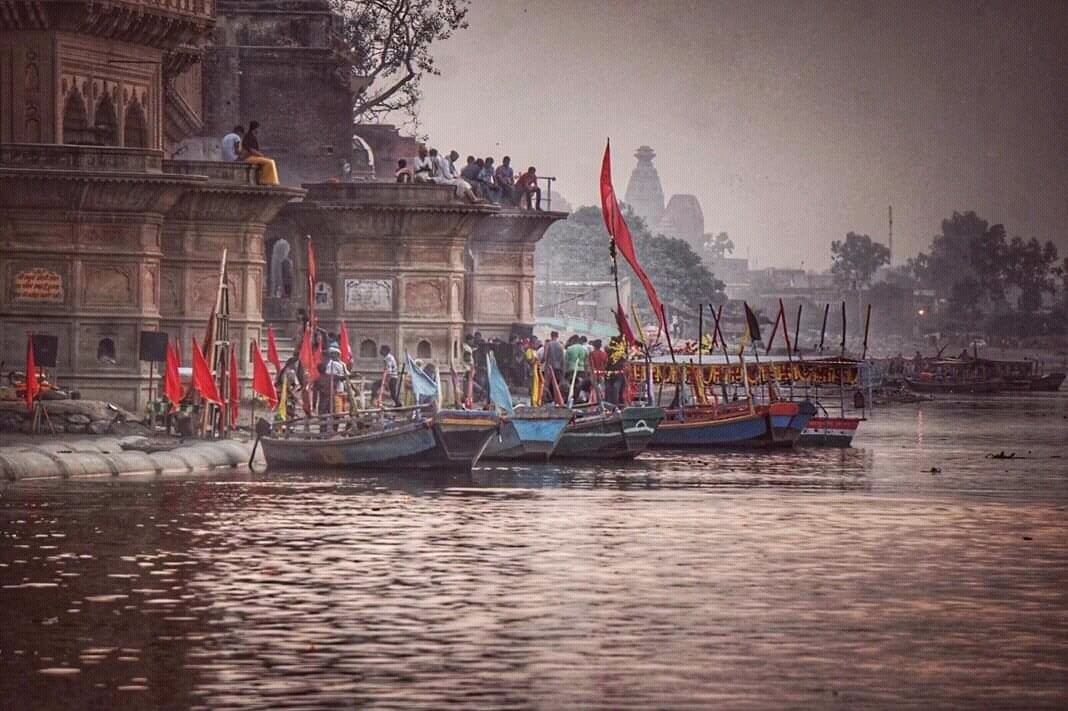
Yamuna River Boat Ride
Experience the magic of the Yamuna River by boat, where golden sunsets, shimmering waters, and the soft glow of prayer lamps create an atmosphere of serenity and joy. Whether spiritual or simply seeking peace, this unforgettable journey will leave you calm, uplifted, and deeply connected.
-
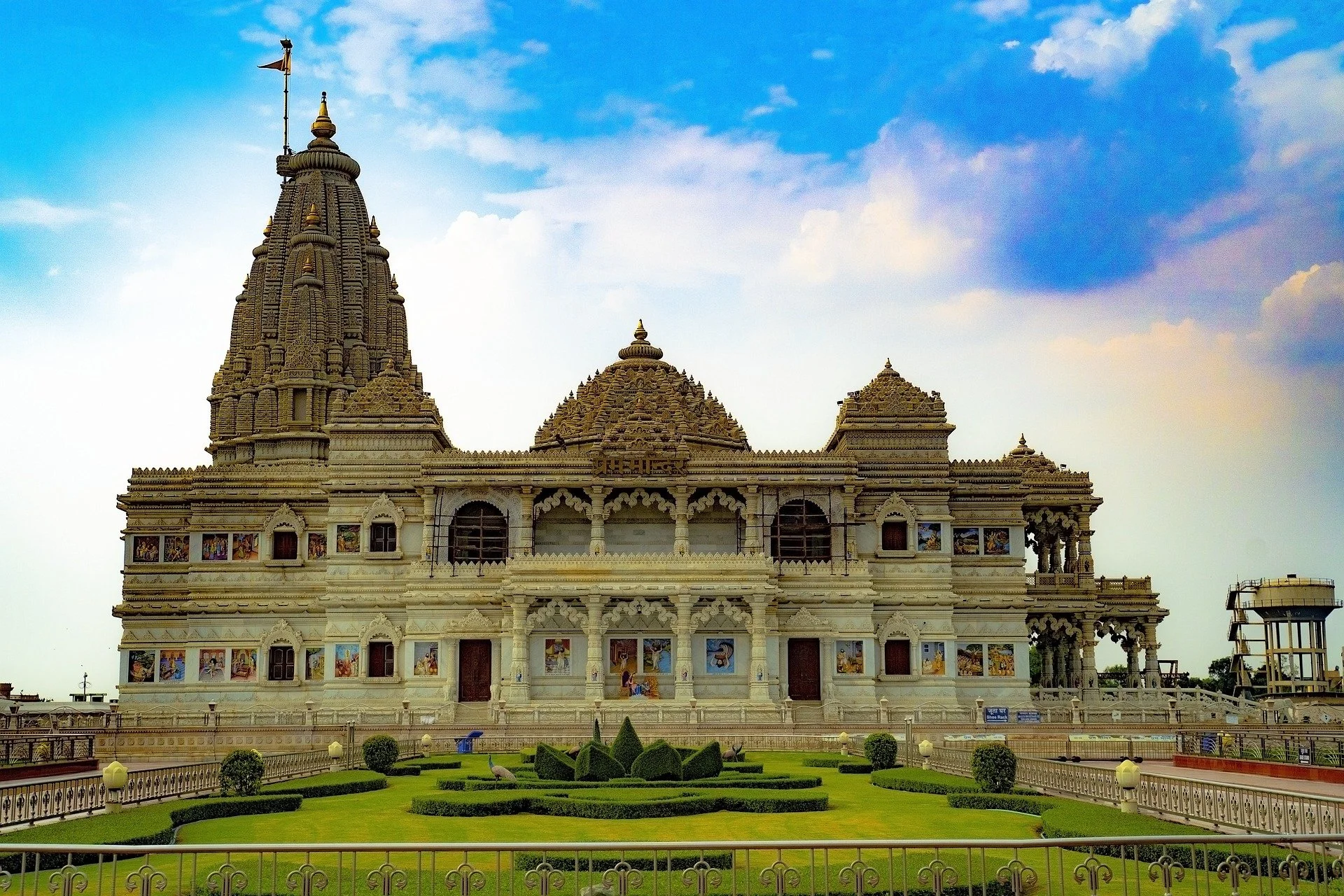
Prem Mandir (Love Temple)
Prem Mandir, also known as the Love Temple, located in Vrindavan, Uttar Pradesh, was built by Jagadguru Kripalu Maharaj as a temple dedicated to Radha and Krishna. Inaugurated on 17 February, the temple took 11 years to complete and cost 100 crore rupees.
-
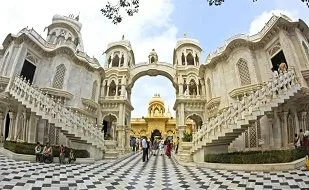
ISKCON Temple
Sri Sri Krishna Balaram Mandir, located in Vrindavan, is a significant temple for ISKCON devotees. It was Srila Prabhupada's vision to create a beautiful temple for worshipping Krishna and Balaram in the village where they once played more than 5,000 years ago.
-
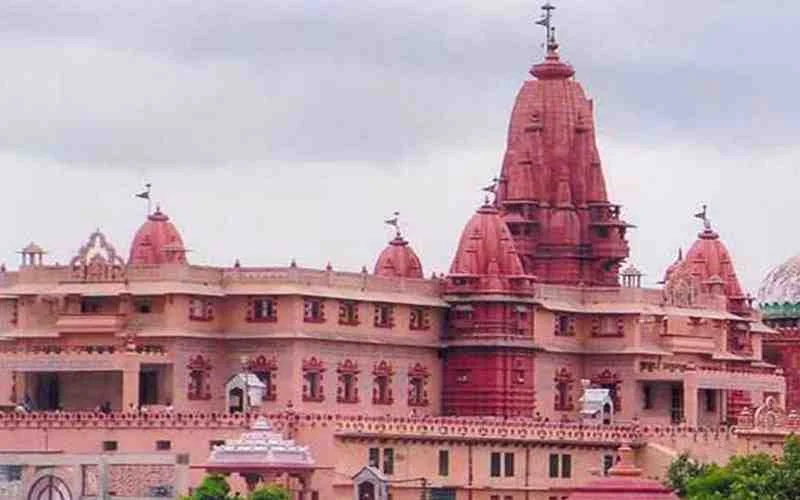
Janma Bhumi Temple
Located in Mathura's Katra Keshav Dev area, the Shri Krishna Janma Bhoomi temple is a sacred site believed by devotees to be the birthplace of Lord Krishna.
-
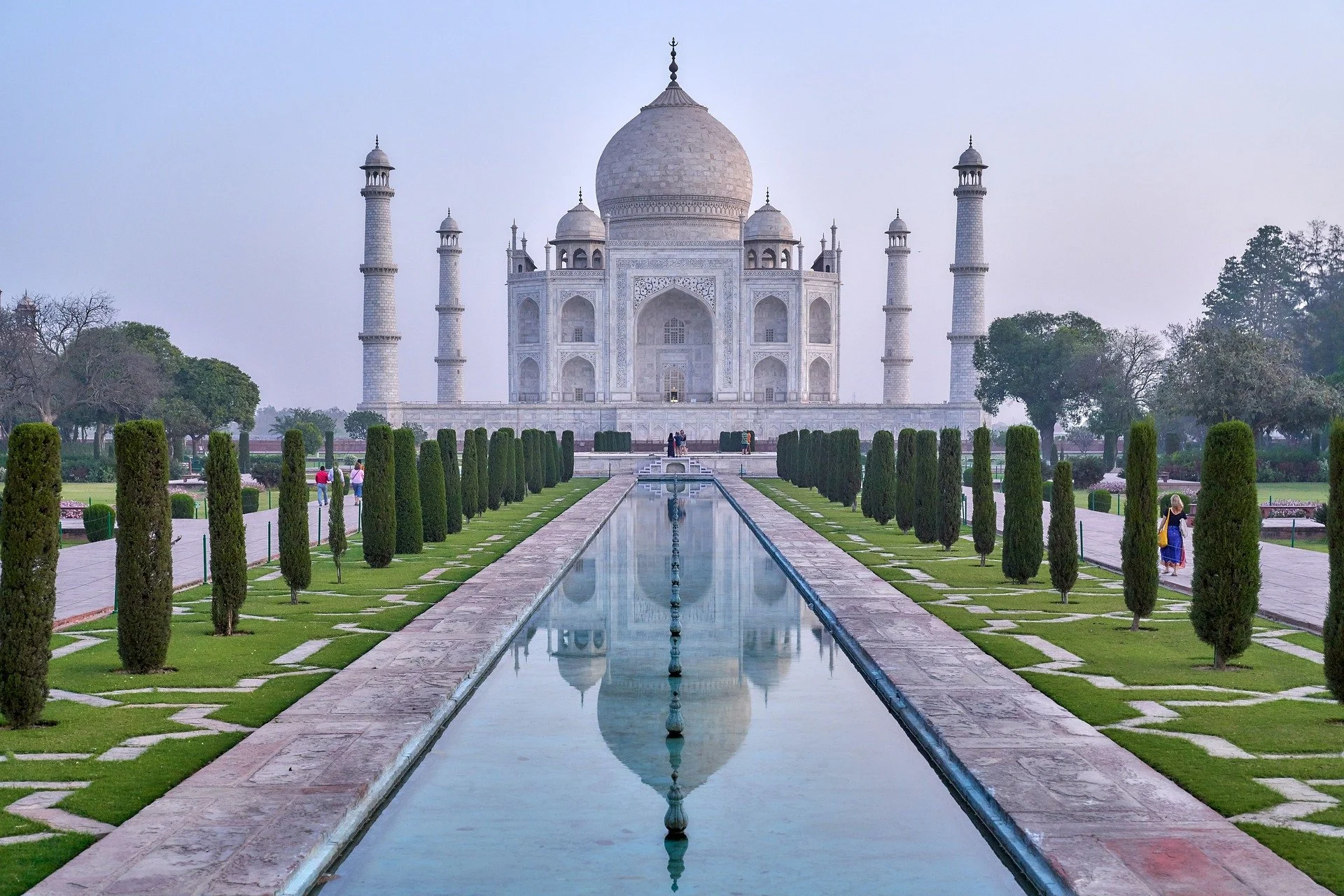
Taj Mahal
Built between 1631 and 1648 in Agra by Shah Jahan for his wife Arjumand Banu Begum, the white marble tomb reflects the refined elegance of Islamic architecture. It stands in contrast to pre-Islamic Hindu architecture with its thick walls and heavy arches, as well as the Indo-Islamic style that blends Persian, Turkish, and Hindu elements.
-
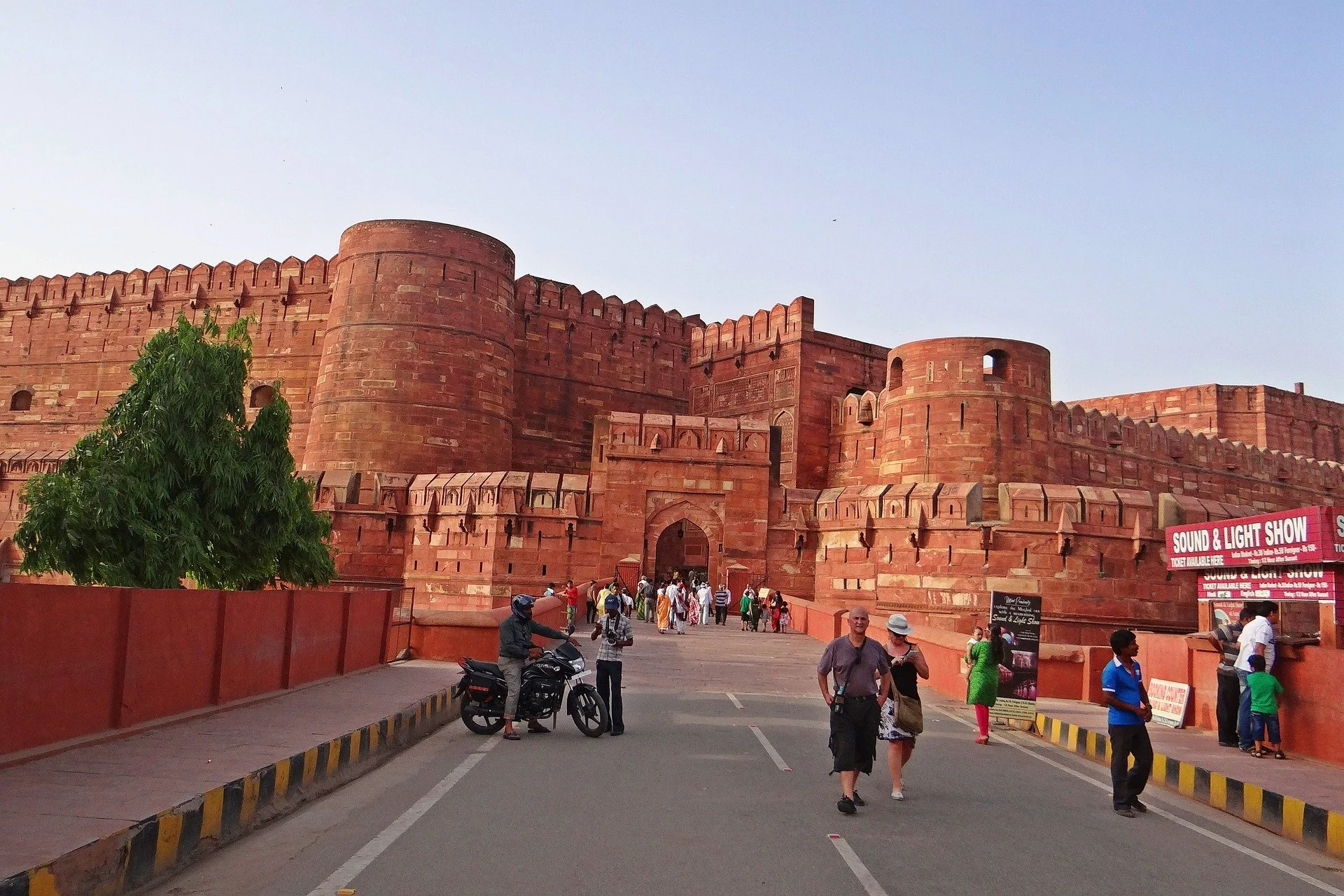
Agra Fort
During an era of invasions and fortifications, when power was displayed through grand palaces and forts, the Agra Fort was constructed. Fortifications symbolized the strength of rulers, with towering structures designed to inspire awe and fear.
-
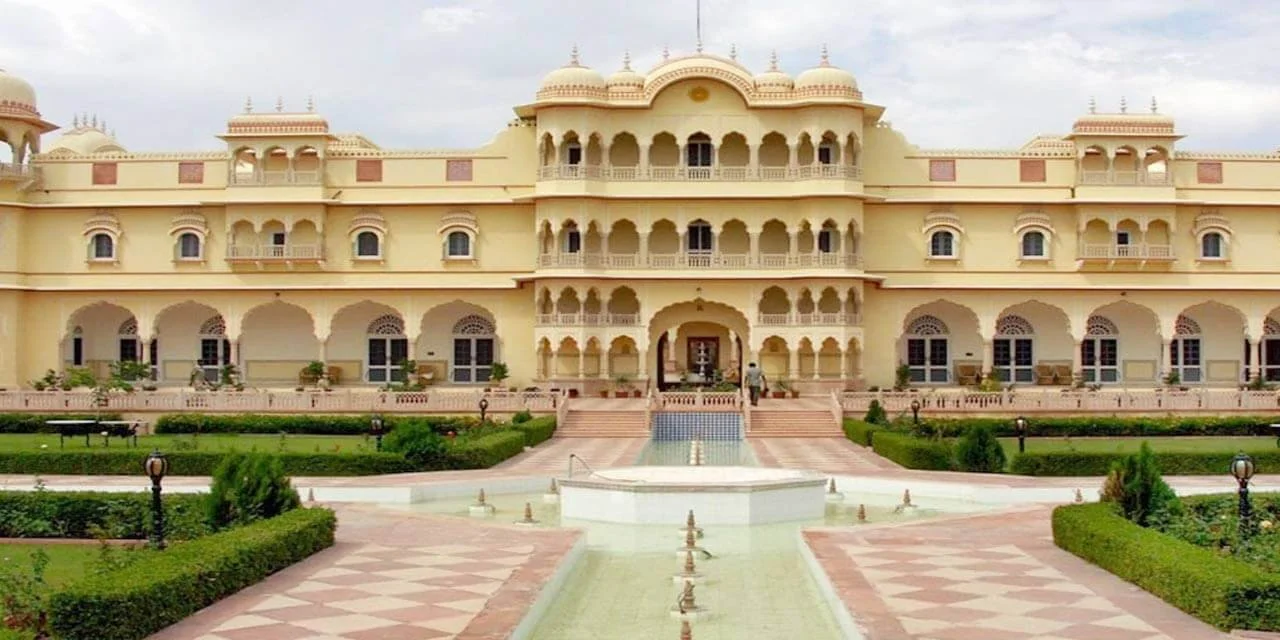
Nahargarh Fort
Nahargarh Fort, perched on the Aravalli Hills, overlooks Jaipur in Rajasthan. It formed a defense ring with Amer and Jaigarh Forts. Originally named Sudershangarh, it became known as Nahargarh, meaning 'abode of tigers.' According to legend, the fort was haunted by the spirit of Nahar Singh Bhomia, whose spirit was appeased by building a temple in his honor within the fort.
-
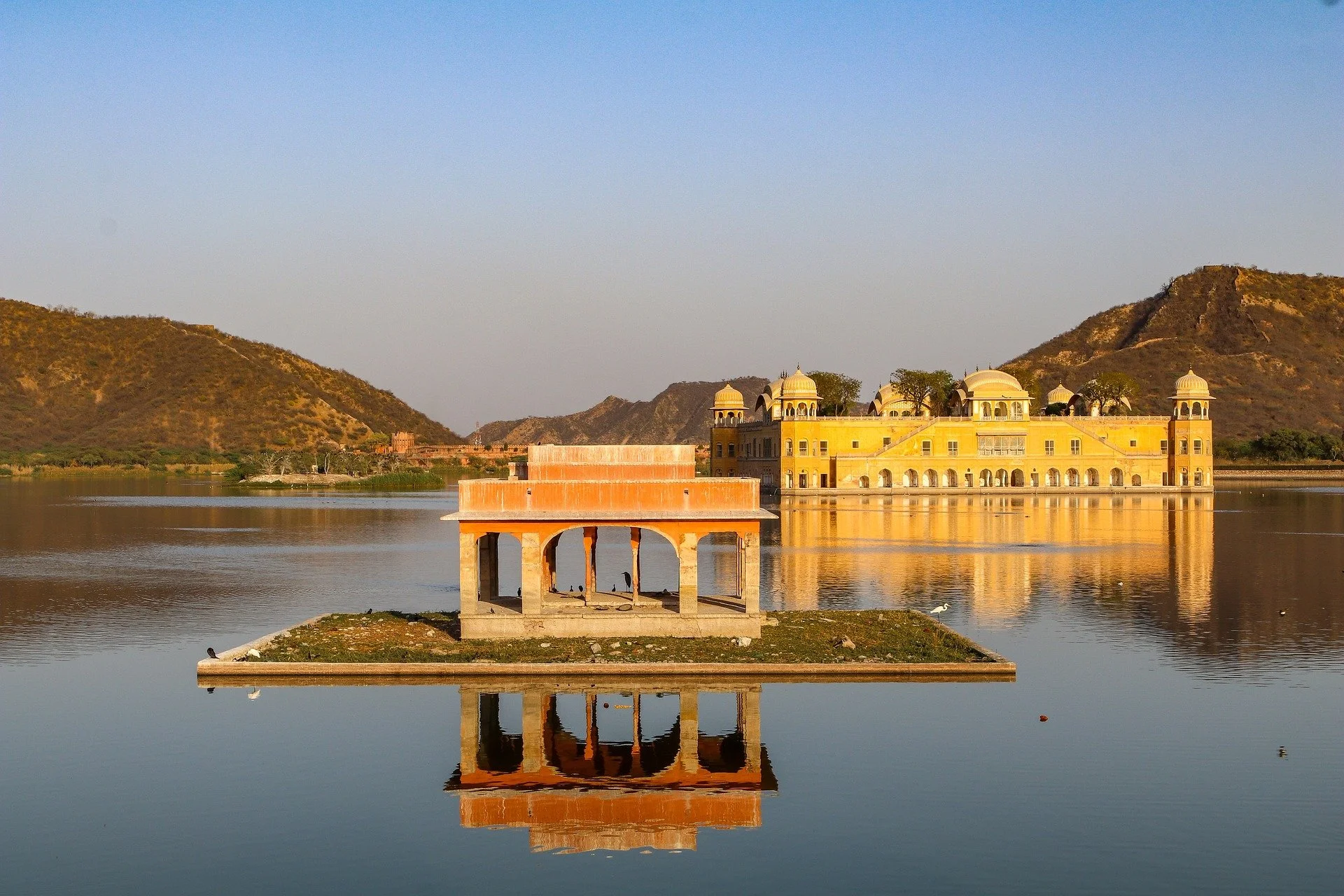
Jal Mahal
Jal Mahal, or the Water Palace, is one of Jaipur's most stunning architectural marvels. Located in the middle of Man Sagar Lake, it appears to float on the water, creating a breathtaking sight that captivates visitors at first glance.
-
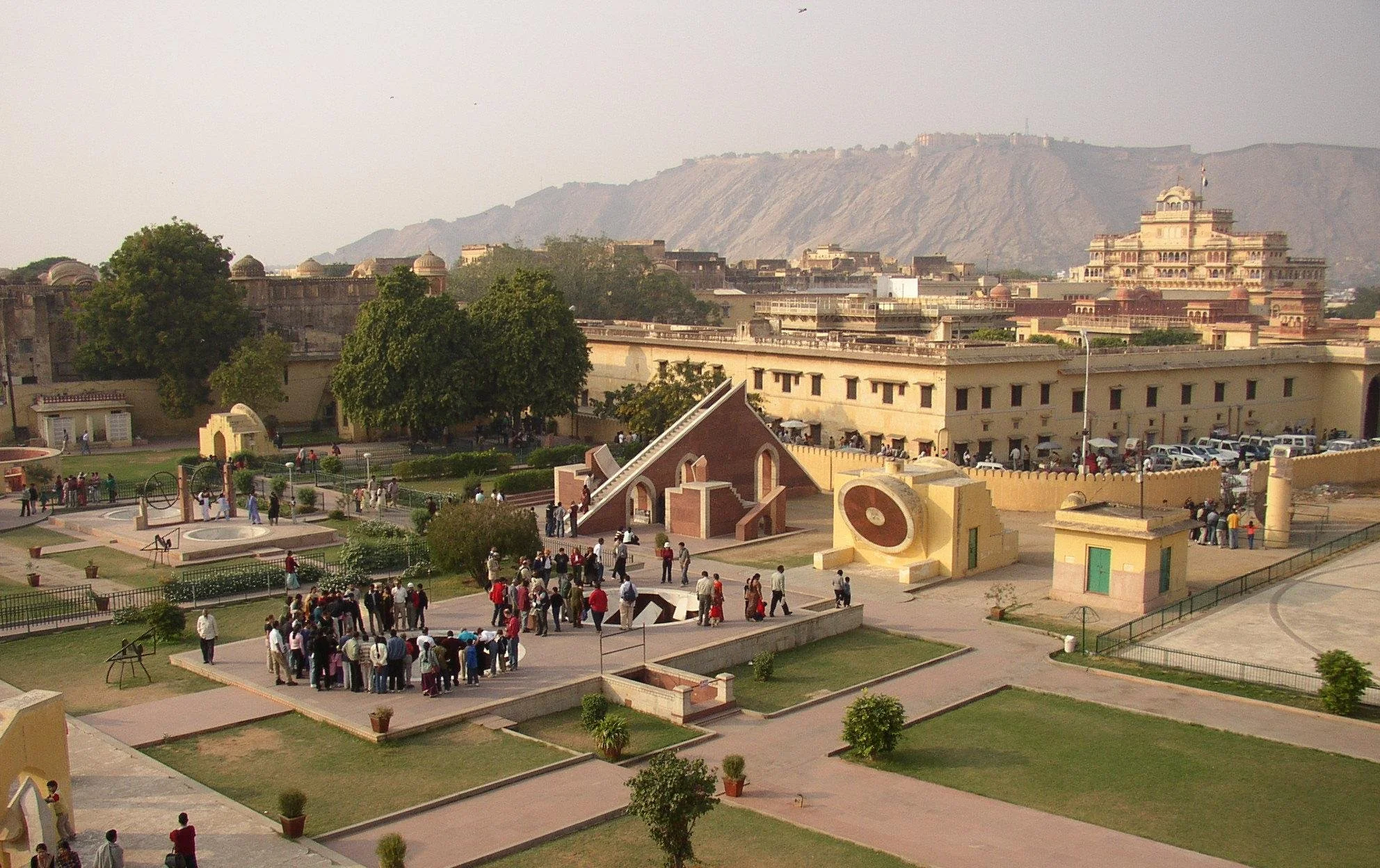
Jantar Mantar
The Jantar Mantar, built by Rajput king Sawai Jai Singh in 1734, is a collection of 19 astronomical instruments in Jaipur. It includes the world's largest stone sundial and is a UNESCO World Heritage Site. The instruments allow for astronomical observations with the naked eye, reflecting Ptolemaic positional astronomy.
-
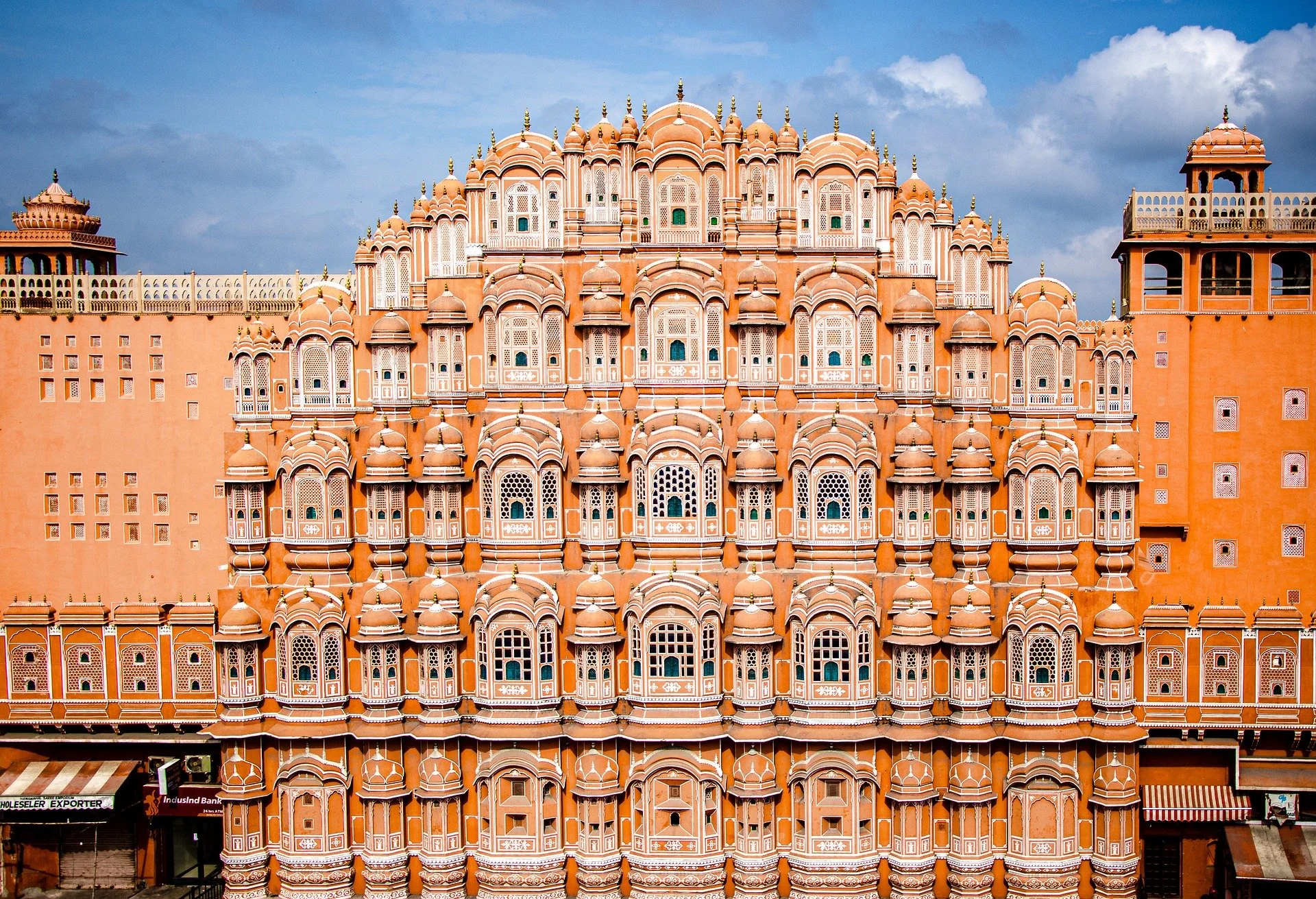
Hawa Mahal
Hawa Mahal, or the "Palace of Winds," is a stunning red and pink sandstone palace in Jaipur, Rajasthan. Built in 1799 by Maharaja Sawai Pratap Singh, it is known for its unique honeycomb design with numerous small windows and balconies. The palace adjoins the City Palace and leads to the Zenana, or women's chambers.
-
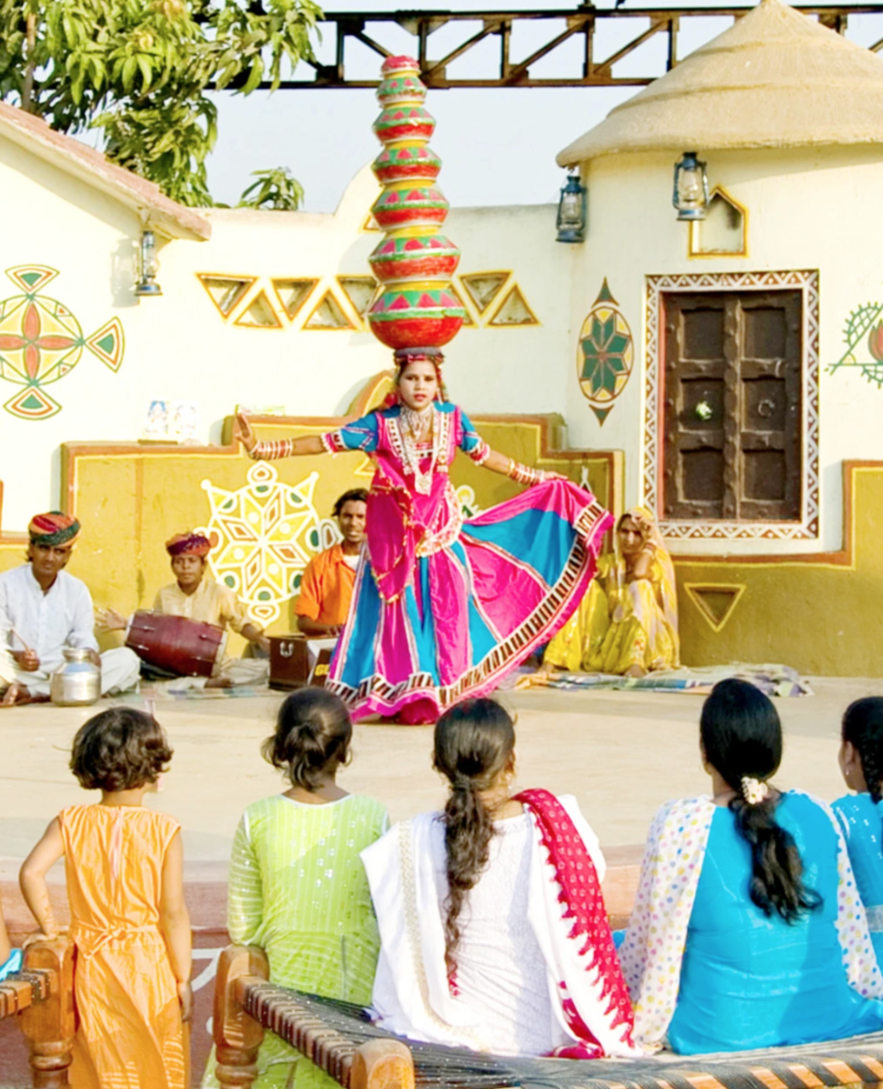
Chokhi Dhani Village
Chokhi Dhani offers a unique experience showcasing Rajasthan's rural culture, with hut-like structures, mud walls adorned with mandalas, lantern-lit ambiance, and warm hospitality. Enjoy a variety of traditional Rajasthani dishes served authentically, making it one of the best dining spots in Jaipur for a royal and flavorful experience.
-
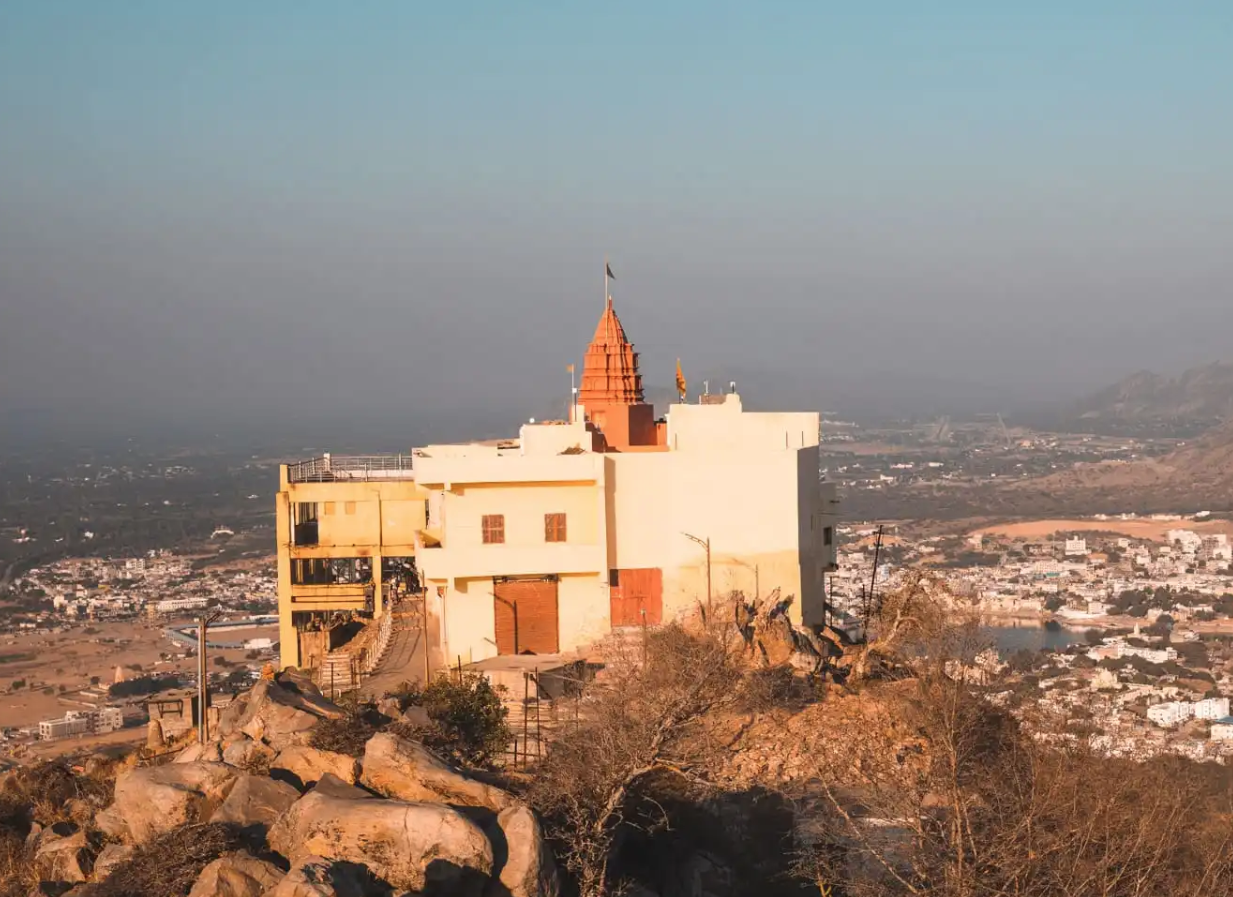
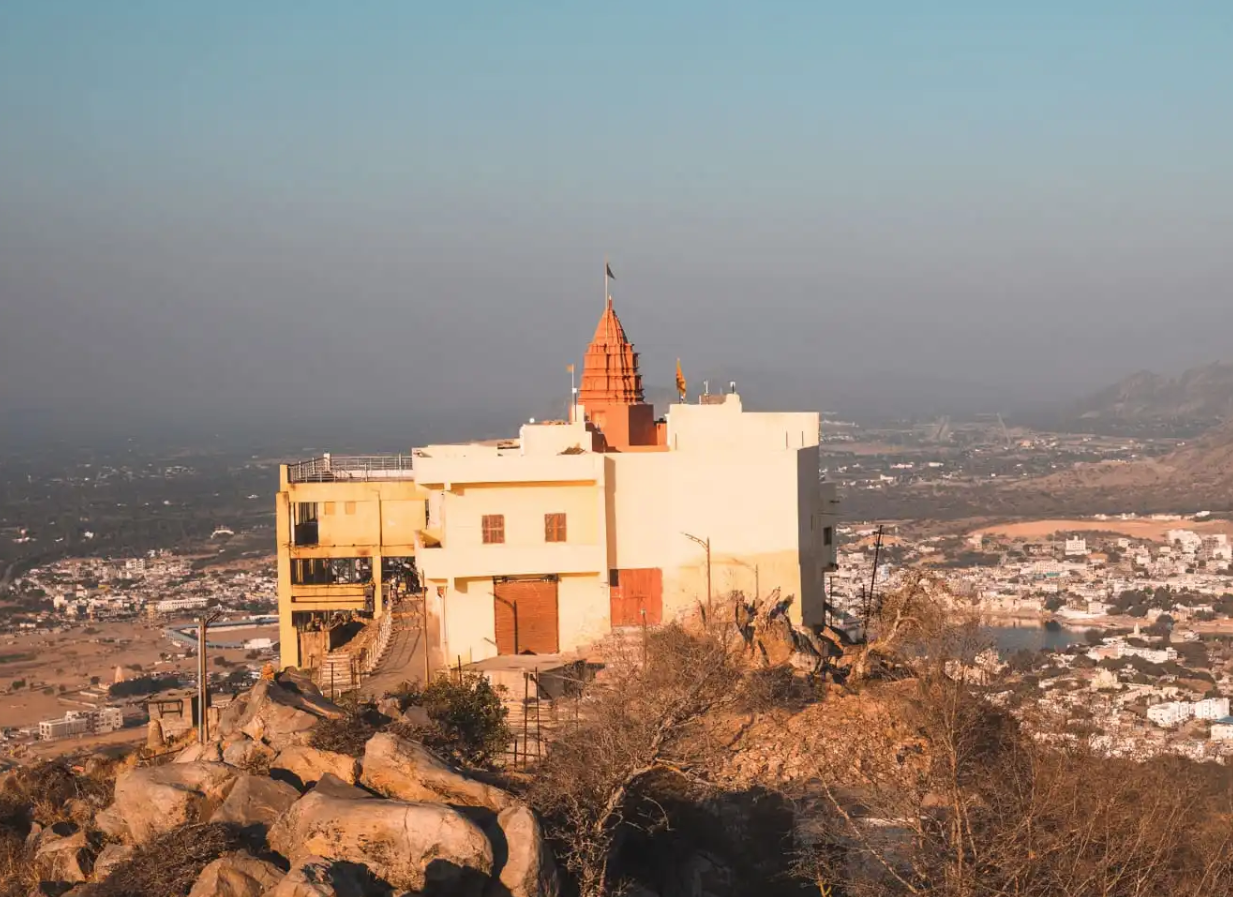
Mata Savitri Devi Temple
Take a scenic cable car ride to the Savitri Temple atop Ratnagiri Hill, dedicated to Goddess Savitri, the first wife of Lord Brahma. Enjoy breathtaking views of Pushkar as you ascend to this sacred site, where both Savitri and Gayatri are worshipped.
-
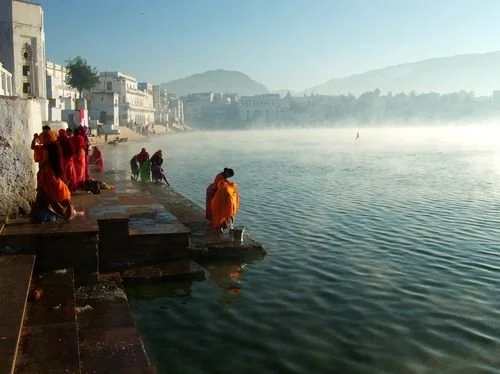
Lake Pushkar
Pushkar Lake is a sacred lake of the Hindus. The Hindu scriptures describe it as "Tirtha-Guru" [Thirtha Raj]– the perceptor of pilgrimage sites related to a water-body and relate it to the mythology of the creator-god Brahma, whose most prominent temple stands in Pushkar.
-
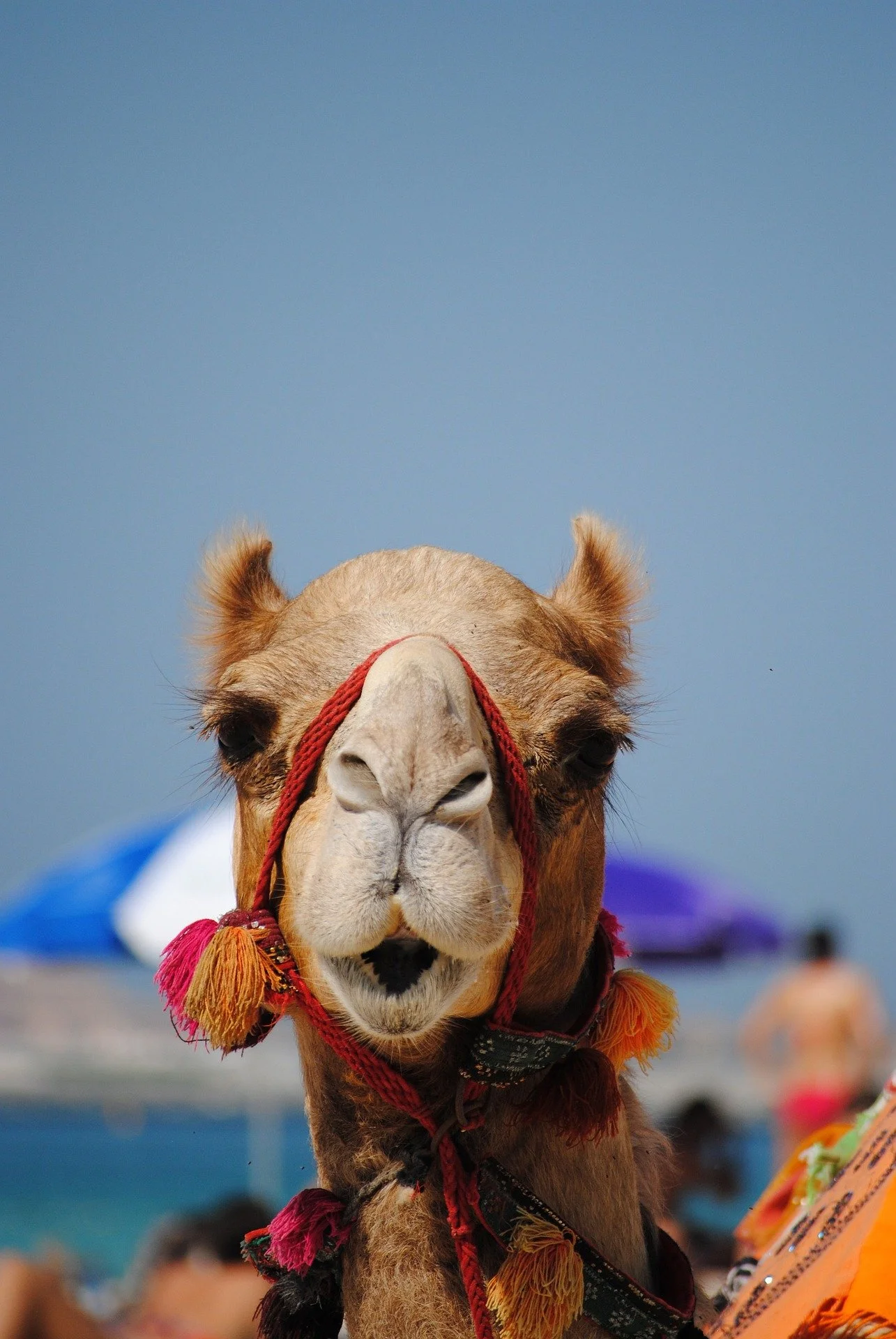
Camel Ride
Enjoy a 45-minute camel or camel cart ride through the stunning landscapes of Pushkar and take in the scenic beauty of the surroundings.
-
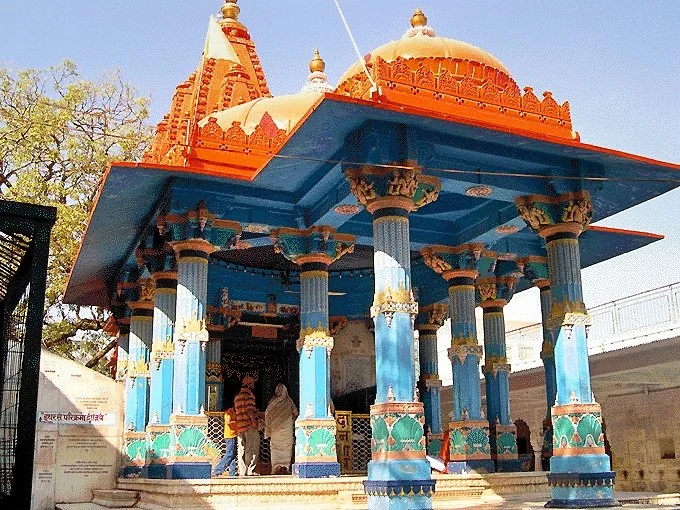
Jagatpita Shri Brahma Mandir
The temple is one of very few existing temples dedicated to the Hindu creator-god Brahma in India and remains the most prominent among them.
-
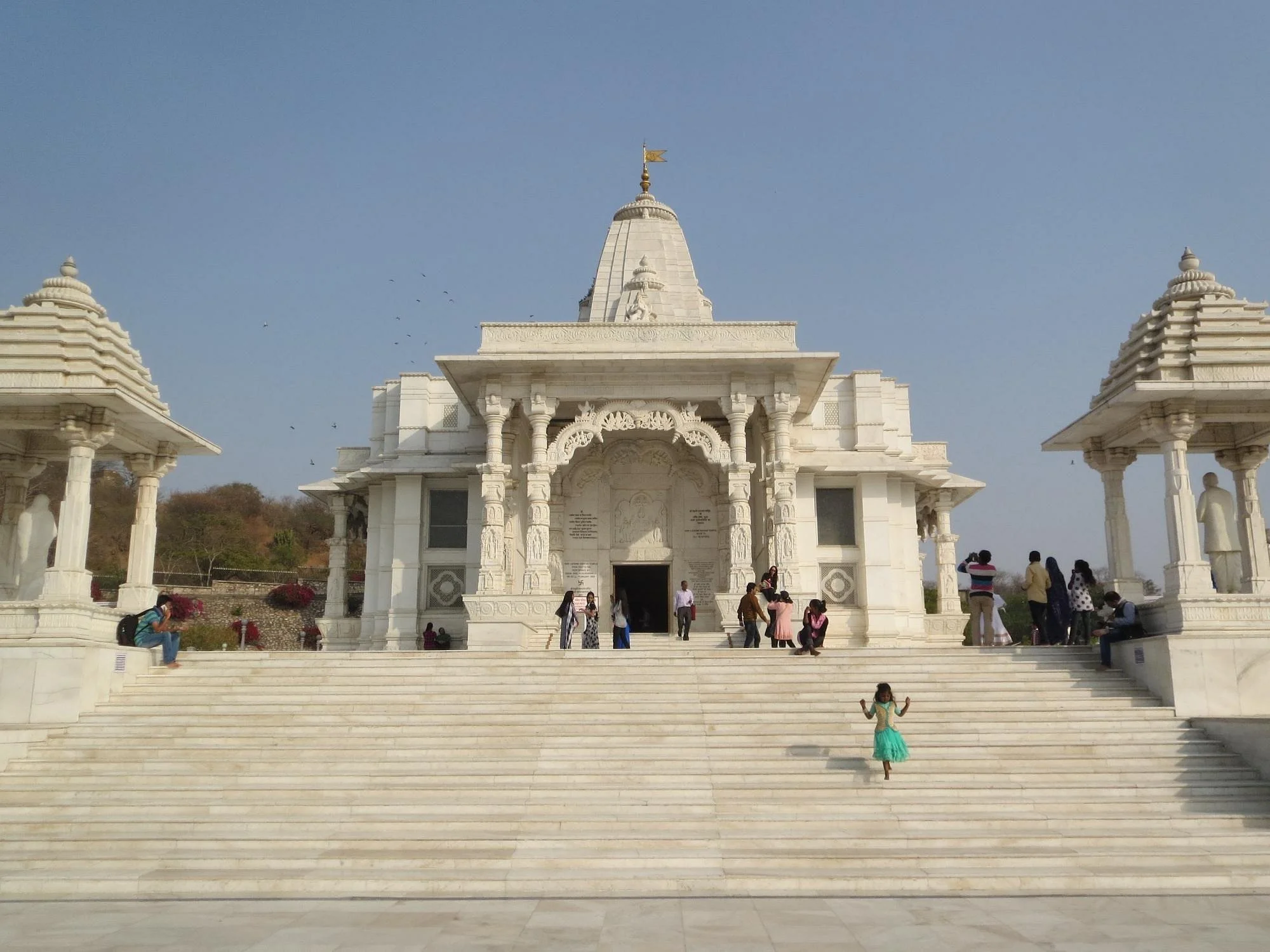
Chulgiri Jain Temple
Reflects the diverse religious fabric of the region, emphasizing peace, devotion, and the pursuit of inner knowledge.
-

Albert Hall Museum
The Government Central Museum, Albert Hall, Jaipur (1876-87) named in honour of the "Prince of Wales" Albert Edward, son of Queen Victoria who laid its foundation stone on a visit to Jaipur in 1876. Today it houses a Museum of Art and Antiquities.
-
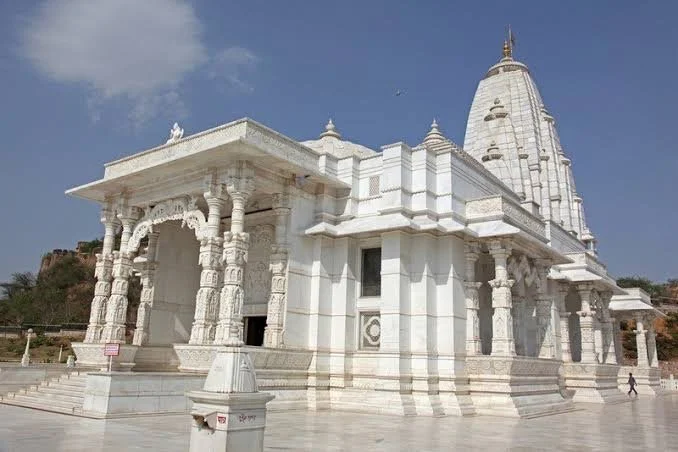
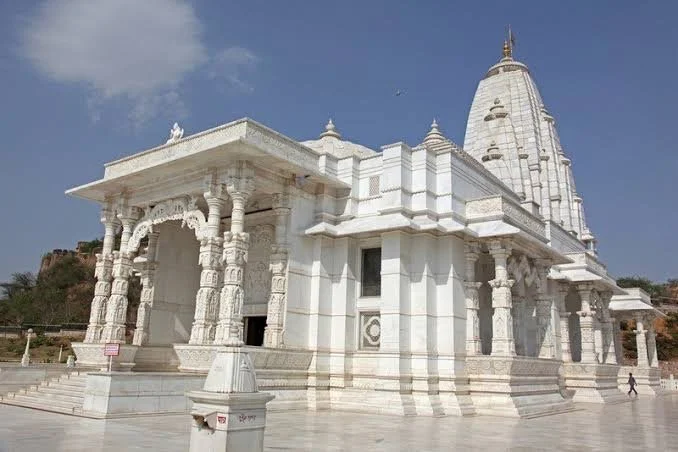
Birla Temple
Also called, Laxmi Narayan Temple, reflects the diverse religious fabric of the region, emphasizing peace, devotion, and the pursuit of inner knowledge.
-
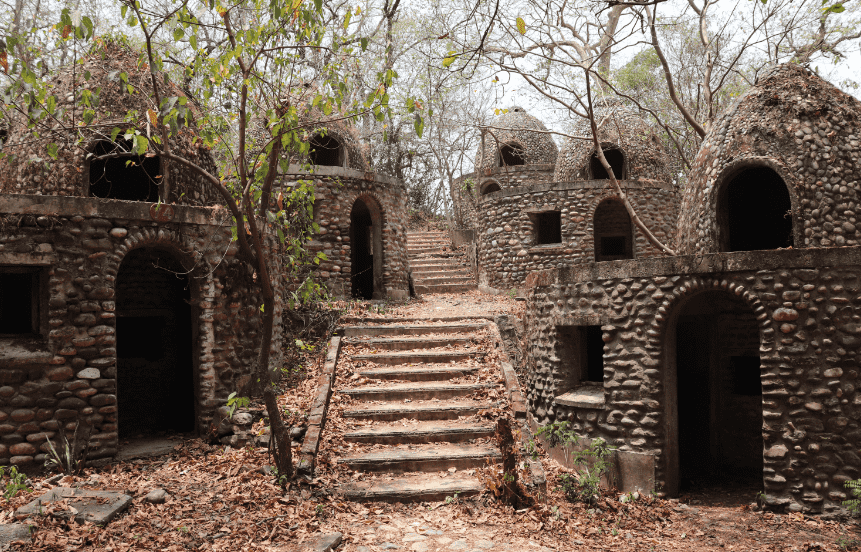
Beatles Ashram
A tranquil space where the famous band meditated, it's now a symbol of the fusion of Western and Eastern spirituality.
-
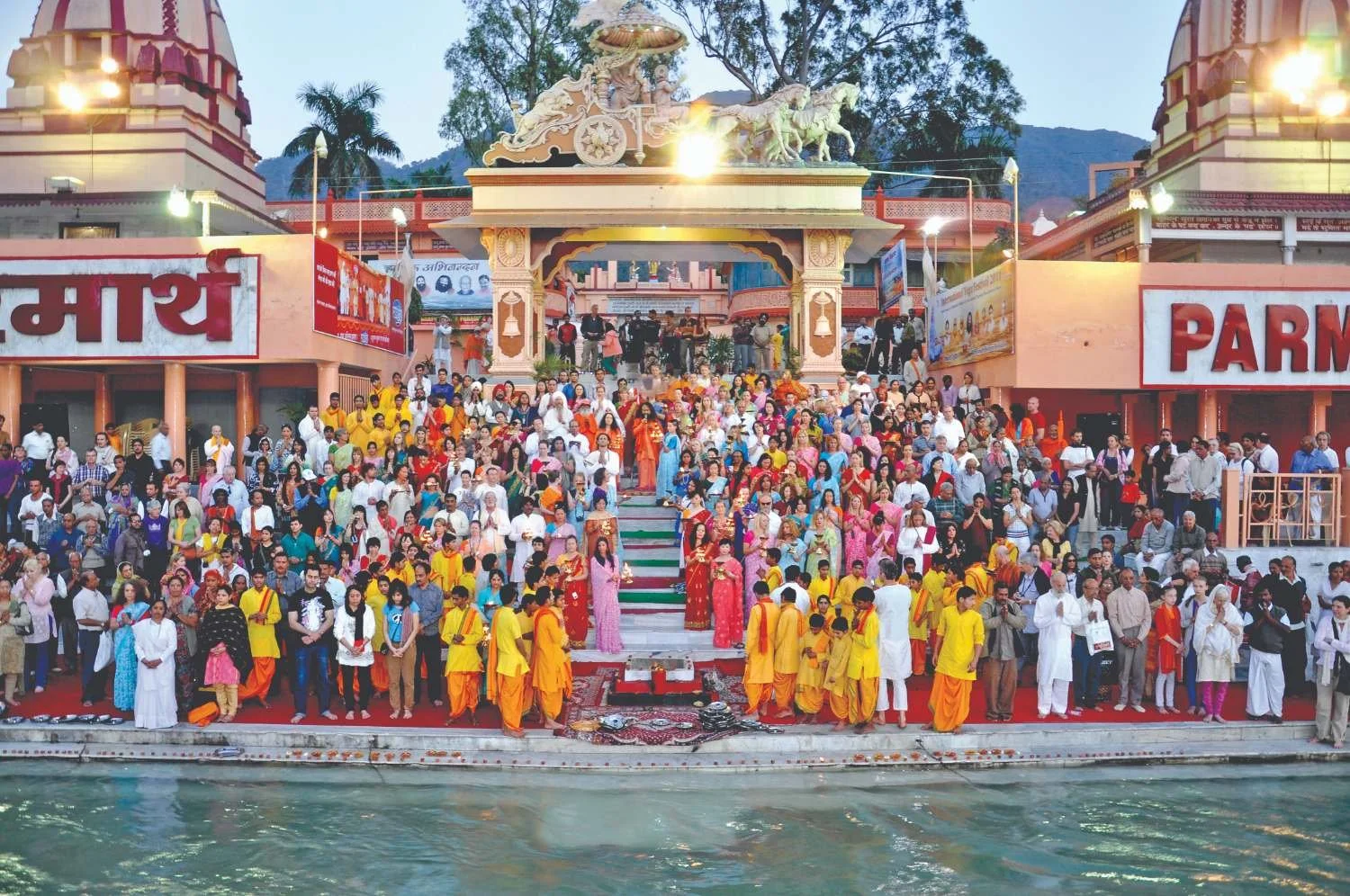
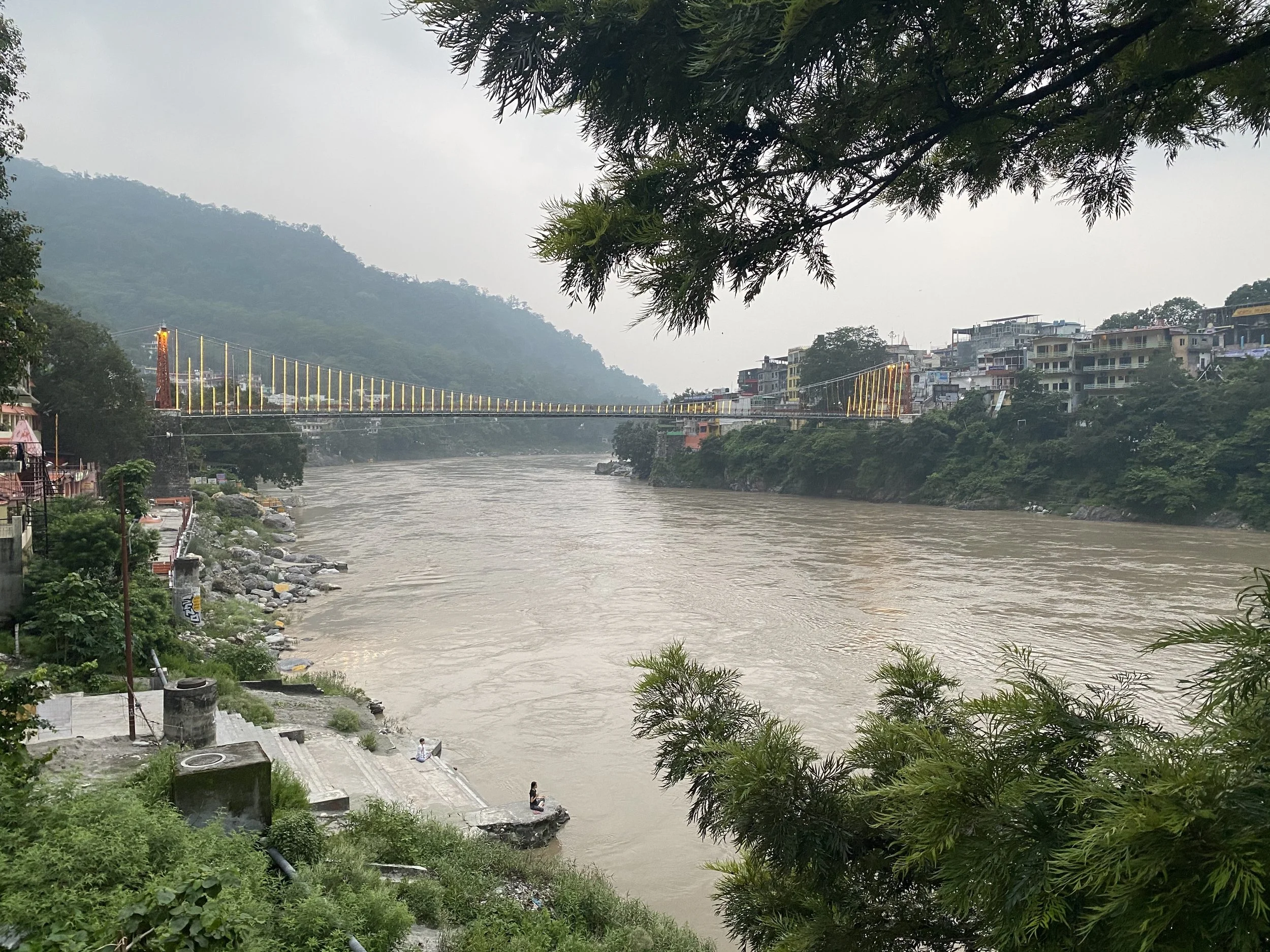
Ganga Aarti
A sacred evening ritual by the Ganges River, filling the air with chants, hymns, and devotion.
-
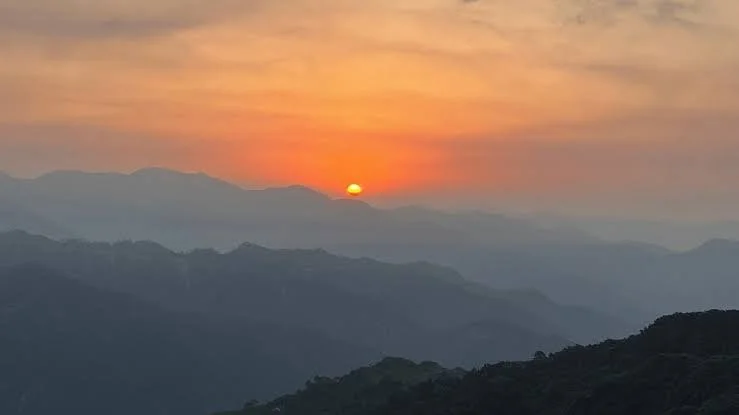
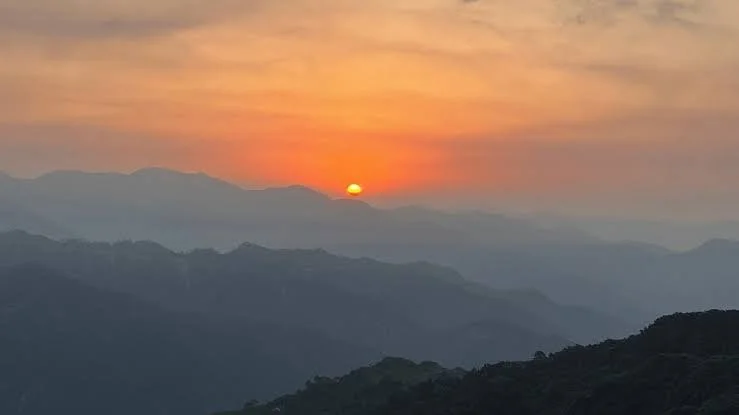
Kunjapuri Devi Temple
A revered Shakti Peeth, offering not only a spiritual experience but stunning views of the Himalayas.
-
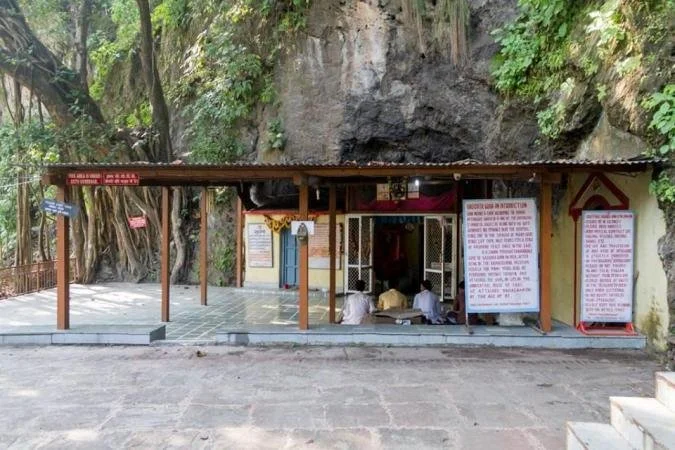
Vishistha Cave
An ancient cave where sages meditated, offering seekers a serene place for contemplation and deep meditation.
-

2-Hour Ayurvedic Treatment
A deeply relaxing and rejuvenating experience based on ancient Ayurvedic principles.
Full Body Massage: A soothing oil massage to relieve tension and improve circulation.
Shirodhara Treatment: A calming therapy where warm herbal oil is poured over the forehead to promote mental clarity and reduce stress.
Steam Bath: A cleansing steam session to open pores, flush out toxins, and enhance skin health.
-
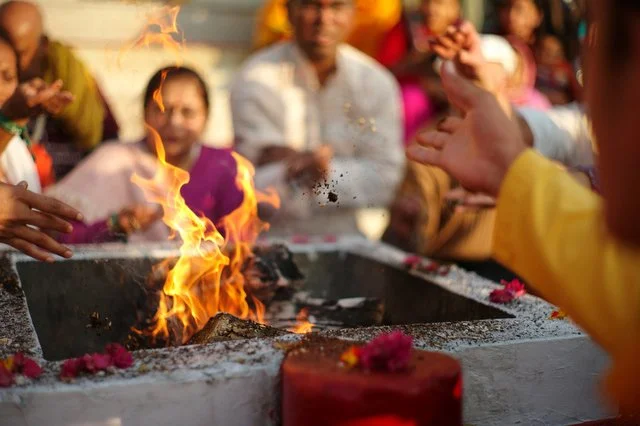
Fire Ceremony
These traditional forms of worship elevate the spiritual atmosphere, allowing participants to immerse in sacred vibrations.