
Vedanta & Advaita: The Wisdom for a Divided World
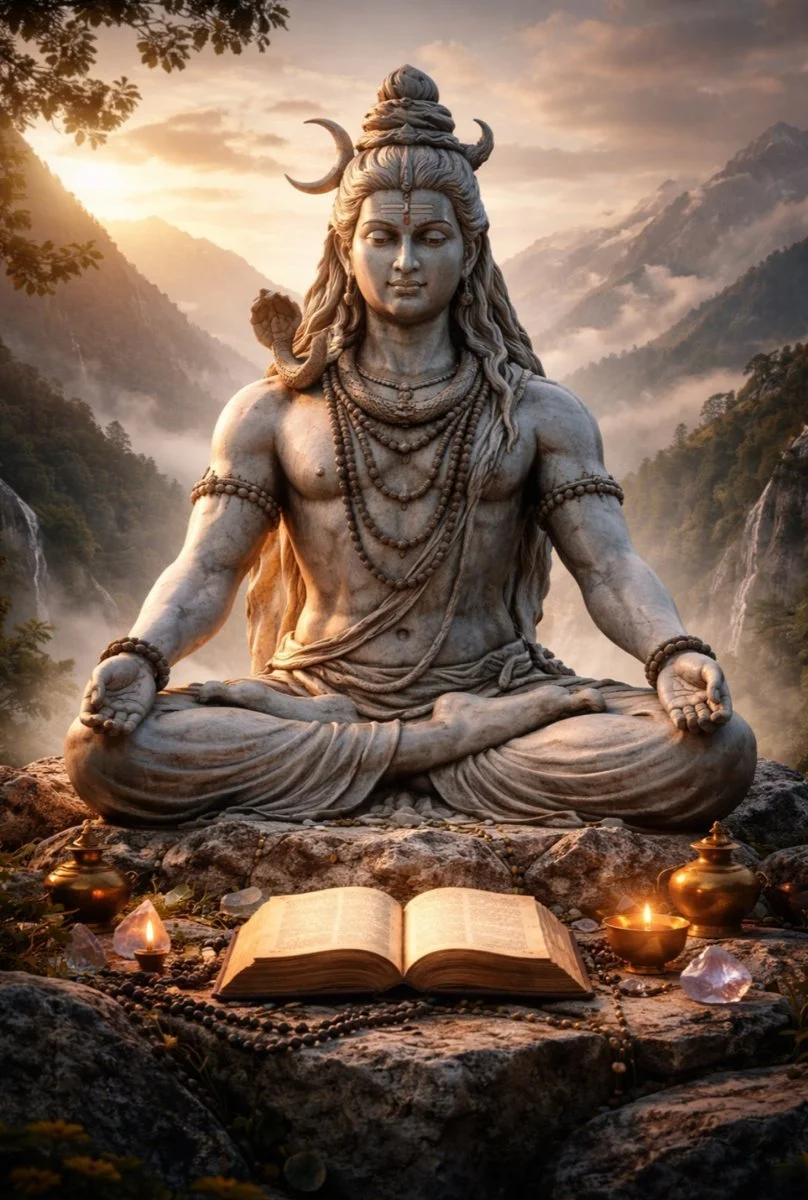
In a world increasingly shaped by division, identity conflict, and disconnection, Vedanta—especially Advaita Vedanta—offers a timely and necessary return to wholeness.
Understanding Vedanta, Advaita Philosophy, and Why Oneness Matters Today
Vedanta is one of the most influential spiritual philosophies to emerge from India, offering profound insight into the nature of reality, consciousness, and liberation. Rooted in ancient yogic texts such as the Upanishads, the Bhagavad Gita, and the Brahma Sutras, Vedanta continues to guide seekers toward self-realization and inner freedom.
In a world increasingly shaped by division, identity conflict, and disconnection, Vedanta—especially Advaita Vedanta—offers a timely and necessary return to wholeness.
⸻
What Is Vedanta Philosophy?
Vedanta is a school of Indian philosophy that explores the relationship between:
The individual Self (Atman)
Ultimate reality (Brahman)
The nature of suffering
The possibility of liberation (moksha)
Rather than promoting belief, Vedanta emphasizes self-inquiry, direct experience, and discernment. It teaches that suffering arises from misidentification—confusing the body, mind, or ego with the true Self.
At its core, Vedanta asks:
Who am I beyond thought and conditioning?
What is real and lasting?
Can freedom be experienced now?
⸻
The Two Main Paths of Vedanta
Vedanta acknowledges that spiritual seekers are not all the same. As a result, its teachings are expressed through two primary philosophical approaches, both leading toward truth.
⸻
Dualistic & Qualified Non-Dual Vedanta (Bhakti-Oriented Paths)
In dualistic and qualified non-dual traditions, the individual soul and the divine are understood as distinct, yet deeply connected.
These paths emphasize:
• Devotion (bhakti yoga)
• Ethical living
• Surrender to the divine
• Relationship with God or the sacred
Here, the world is real and meaningful, and liberation arises through love, service, and grace. For many practitioners, these traditions provide emotional grounding and spiritual structure.
⸻
Advaita Vedanta: The Philosophy of Non-Duality
Advaita Vedanta means “not two.”
It teaches that:
There is only one reality
The Self (Atman) and the Absolute (Brahman) are the same
Separation is a perceptual error caused by ignorance (avidya)
Liberation occurs through self-knowledge, not attainment
The Upanishadic statement expresses this realization:
Tat Tvam Asi — You are That
In Advaita:
You are not the body
You are not the mind
You are the awareness in which all experience appears
Freedom is not something to reach—it is something to recognize.
⸻
Advaita vs Dualistic Vedanta: What’s the Difference?
Dualistic Vedanta Advaita Vedanta
God and Self are separate God and Self are one
Liberation through devotion Liberation through knowledge
Relationship with the divine Identity with the divine
Separation is real Separation is apparent
Advaita does not reject devotion or practice. It reveals their deepest truth: all paths ultimately lead inward.
⸻
Why Advaita Vedanta Is Needed More Than Ever
Modern suffering is rooted in fragmentation—between people, cultures, belief systems, and within the Self.
Advaita addresses the root of this fragmentation.
When separation is believed to be real:
Fear dominates behavior
Identity becomes rigid
Compassion becomes conditional
Advaita dissolves the illusion of “otherness,” reminding us that harm, exploitation, and indifference arise from misunderstanding—not from truth.
⸻
From Separation to Responsibility
Advaita does not promote detachment from the world. It restores responsibility without guilt.
When we see clearly:
Care replaces control
Presence replaces fear
Action arises naturally
This shift transforms how we relate to:
Community
Nature
Conflict
Power
Service
⸻
Advaita, Yoga, and Conscious Living
Advaita Vedanta aligns naturally with modern mindfulness, yoga philosophy, and awareness practices.
By resting in awareness rather than identity:
The nervous system softens
The mind quiets
Presence deepens
This is why Advaita integrates seamlessly with:
Meditation
Yoga
Breathwork
Self-inquiry
Conscious relationships
It is not about escaping the world—it is about meeting life without distortion.
⸻
How to Live Advaita in Daily Life
Living Advaita is not about adopting a belief—it is about clear perception.
It looks like:
Acting without attachment
Disagreeing without dehumanizing
Serving without superiority
Loving without possession
Being present without resistance
Advaita is not an identity.
It is the absence of false identity.
⸻
Conclusion: A Return to Wholeness
The challenges facing our world cannot be resolved from the same fragmented consciousness that created them.
Advaita Vedanta offers a remembering:
You are not separate from what you seek to heal.
When awareness replaces ego and wholeness replaces division, a new way of living becomes possible—rooted in clarity, compassion, and truth.
This is not ancient philosophy.
It is living wisdom.
And it is needed now.
Start your mindfulness practice today, with our
4-Week Practice Guide: Make the Unconscious Conscious.
For more information and teachings on Vedanta, check out Swami Nirgunananda Giri’s Youtube channel: https://www.youtube.com/@swaminirguna
