
The Quiet Difference Between Being Alone and Feeling Lonely
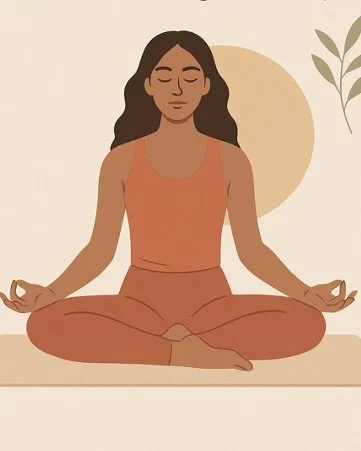
There’s a big difference between being alone and feeling lonely.
Solitude can heal you. Loneliness reminds you what you’re missing.
Learning to Use Solitude as Medicine — and Loneliness as a Teacher
We often use the words alone and lonely as if they mean the same thing, but they describe two very different inner worlds. One is a state of being; the other is a state of feeling. Understanding that difference can reshape the way we relate to ourselves and to the people around us.
Being Alone: A Physical Reality
Being alone simply means that no one else is physically present. It’s the space where silence lives, where you can hear yourself think, and where external demands momentarily pause. Many people seek out this kind of solitude because it offers:
Clarity — Without the noise of constant interaction, thoughts can settle.
Recharging — A chance to breathe, reset, and reconnect with your own rhythm.
Creativity — Solitude often becomes fertile ground for insight and expression.
Being alone is neutral by nature. Its meaning shifts depending on how we relate to it. For some, it’s a sanctuary; for others, unfamiliar and uncomfortable. But in itself, it is simply the absence of company—not the absence of connection.
Loneliness: An Emotional Experience
Loneliness is not about who is around you. It’s about who you feel connected to.
You can feel lonely in a crowded airport, at a family gathering, or scrolling endlessly through social media while surrounded by digital “company.” Loneliness arises when there’s a gap between the connection we want and the connection we have. When emotional closeness feels out of reach, even the presence of others cannot fill the space inside.
Loneliness shows up as:
A craving for deeper connection
A sense of being unseen or misunderstood
A feeling of being out of sync with the world around you
It’s an emotional signal, not a personal failure. It tells us that we are wired for meaningful bonds—human to human, heart to heart.
Solitude Heals; Loneliness Teaches
Solitude is chosen. Loneliness is felt.
But both have lessons to offer.
Solitude teaches us how to enjoy our own company, how to sit with our thoughts, and how to feel whole without constant external validation. It builds inner strength and self-trust.
Loneliness, though painful, softens us. It pushes us to reach out, to reconnect, and to recognize how deeply relationships shape our emotional well-being. It reminds us that we belong somewhere—and that seeking connection is a courageous act.
What to Do If You’re Feeling Lonely
Loneliness is a tender place, but it doesn’t have to be a permanent home. Here are supportive, wellness-aligned practices to help ease that feeling and invite connection back in:
Ground Yourself With Breathwork
Loneliness often triggers a sense of inner restlessness. Slow, intentional breathing helps soften that anxious edge.
Try 5 minutes of deep belly breathing or box breathing (4-4-4-4).
If emotions feel heavy, practice long exhalations, which naturally calm the nervous system.
Join a Class or Community Circle
Connection grows where people gather with intention.
Look for yoga studios, kirtan groups, meditation circles, or community satsangs.
Even if you don’t speak much, being around shared energy gently lifts the spirit.
Engage the Heart Through Movement
Loneliness contracts the chest; mindful movement opens it.
A few rounds of Cat–Cow, Cobra, or Bridge Pose help release emotional tension.
Heart-opening sequences can create a noticeable emotional shift.
Reach Out Intentionally
Sometimes the cure for loneliness is one meaningful exchange.
Message a friend.
Schedule a call with family.
Join online wellness groups where conversations are thoughtful and nourishing.
Practice Metta (Loving-Kindness Meditation)
This ancient practice softly dissolves the edges of loneliness by reconnecting you to warmth—first toward yourself, then outward.
Repeat quietly:
“May I feel safe.
May I feel connected.
May I feel held.
May I be at ease.”
Allow Yourself to Feel Without Judgment
Loneliness is a natural human experience—not a flaw.
Acknowledge it, breathe into it, and let the feeling move through you rather than getting stuck in you.
What to Do With Your Alone Time (Healthy, Nourishing Ways)
Alone time can become a sanctuary when used with intention. Here are wellness-aligned ways to transform solitude into something deeply supportive:
Create a Personal Ritual
Light a candle, burn incense, journal for five minutes, or sip tea slowly.
Ritual turns ordinary moments into mindful, grounding experiences.
Develop a Consistent Yoga Practice
Without distractions, your mat becomes a place to reset and reconnect.
Gentle flow for clarity
Restorative poses for comfort
Yin sessions for emotional release
Even 10 minutes makes a difference.
Sit for Stillness
Meditation is one of the most powerful ways to make peace with being alone.
Use your solitude to practice:
Counting breaths
Mindfulness
Mantra repetition
Candle gazing (Trataka)
Explore Your Inner Landscape Through Journaling
Write freely about:
How you’re growing
What you’re learning
What you’re longing for
What’s opening or closing inside you
Solitude becomes a mirror.
Engage Your Senses
Take a mindful walk.
Cook a beautiful meal.
Practice gentle self-massage (Abhyanga).
Sensory presence brings you into your body and out of overthinking.
Learn Something New
Alone time is fertile ground for learning:
Philosophy
Breathwork
Ayurveda
New yoga styles
Music or language
Growth transforms solitude into empowerment.
Rest Deeply
Sometimes what you need most isn’t stimulation—it’s restoration.
A quiet room, a soft blanket, and 20 minutes of Yoga Nidra can feel like a reset for the soul.
Closing Thoughts: A Personal Note
As an expat living in India—a country overflowing with movement, color, and more than a billion people—I’ve learned that loneliness isn’t about how many humans surround you. India’s streets pulse with life: markets packed shoulder-to-shoulder, temples echoing with devotion, and neighborhoods where something is always happening. Yet even in the middle of all this vibrant energy, a quiet loneliness can slip in when you’re far from your own roots.
Living abroad shows you that loneliness isn’t a matter of population density; it’s a matter of connection. You can be wrapped in the warmth of a culture you admire and still long for familiar voices, familiar rhythms, familiar pieces of home. It’s in that space—between a life richly populated and a heart adjusting to new soil—that the difference between being alone and feeling lonely becomes unmistakably clear.
If you’d like to start your own daily ritual of cultivating gratitude and living in abundance, check out our latest publication on Amazon KDP:
